
In short: A sump pump rarely fails without warning. Watch for a pump that runs constantly or not at all, cycles on and off in dry weather, makes new grinding or rattling noises, or leaves water standing in the pit after rain. Test it by pouring water into the pit, keep a backup ready for power outages, and know that insurance typically pays for the water damage only if you added sump overflow coverage, and almost never for the pump itself.
What the pump does
Groundwater collects in the drain tile around the foundation and runs to a pit, usually in a corner of the basement. When the water rises, a float switch turns the pump on, and it sends the water out through a discharge pipe, away from the house. If the pump stops, the pit fills and overflows onto the floor. The Detroit Water and Sewerage Department recommends a sump pump, and a backwater valve, where houses have a history of basement backups.
Warning signs
It never stops
Running after the rain has stopped: the float may be stuck, or the pump may be too small for the water coming in.
It cycles in dry weather
On, off, on: a stuck float or a faulty check valve letting water run back into the pit.
New noises
Grinding, rattling, or humming without pumping can mean a damaged impeller or a jam.
Water standing in the pit
And the pump doesn't start, or only starts when you lift the float by hand.
Rust, corrosion or a smell
In the pit, or a discharge pipe outside that never seems to carry water.
A two-minute test
Plan for the power going out
The storms that fill the pit are the same storms that knock out power. A battery backup pump, or a water-powered backup where your water pressure allows, keeps working when the main pump can't. If you use a portable generator, Ready.gov's rule is strict: generators and fuel always outdoors, at least 20 feet from windows, doors and attached garages, with working carbon monoxide detectors on every level of the home.
When the pump fails and the basement floods
Stay out until the power is off
If the electrical panel is in the wet area, call an electrician. The City of Detroit's flood cleanup sheet notes that you can't run an electric pump from a flooded panel; a pump driven by a 12-volt car battery is one alternative, and a gasoline pump only if its exhaust is vented outside.
Photograph it
The water, the pit and everything damaged, before you move it.
Call your insurer
Report water damage.
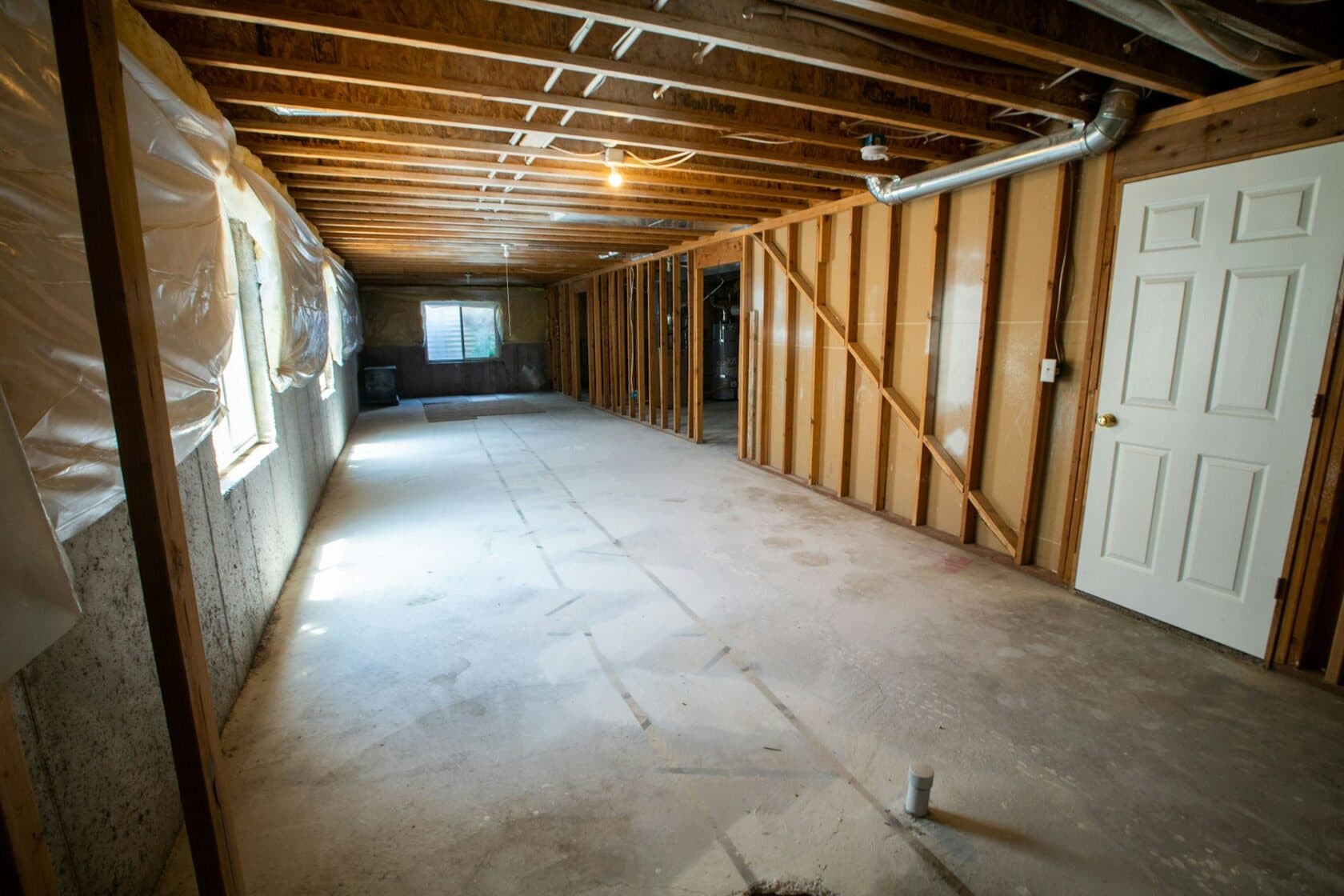
Dry within 24 to 48 hours
EPA's window for preventing mold. Wet carpet pad, insulation and soaked drywall often have to come out.
Fix the pump
Have a plumber repair or replace it before the next rain.
What insurance usually covers
| With a water and sewer backup endorsement | Without one | |
|---|---|---|
| Water that overflows from the sump, including when the pump breaks down | Typically covered, up to your limit | Typically not covered |
| Repairing or replacing the broken pump | Typically not covered | Not covered |
| Damage from poor maintenance or a worn-out pump | Typically not covered | Not covered |
| Flooding from outside | Needs a separate flood policy | Needs a separate flood policy |
That's how Michigan's Department of Insurance and Financial Services describes it: backup coverage isn't automatic on a homeowners or renters policy, and coverage is limited to the amount you chose, so check that number too.
Questions people ask us
How often should I test my sump pump?
Each spring and fall, and before a big storm is forecast. It takes two minutes and a bucket of water.
Will insurance replace my sump pump?
Usually not. DIFS says backup coverage typically excludes repairing or replacing the broken pump and damage from wear and tear, though it can cover the water that overflowed.
Do I need a battery backup?
If your basement has anything in it you'd miss, yes: the storms that fill the pit are the ones that cut the power.