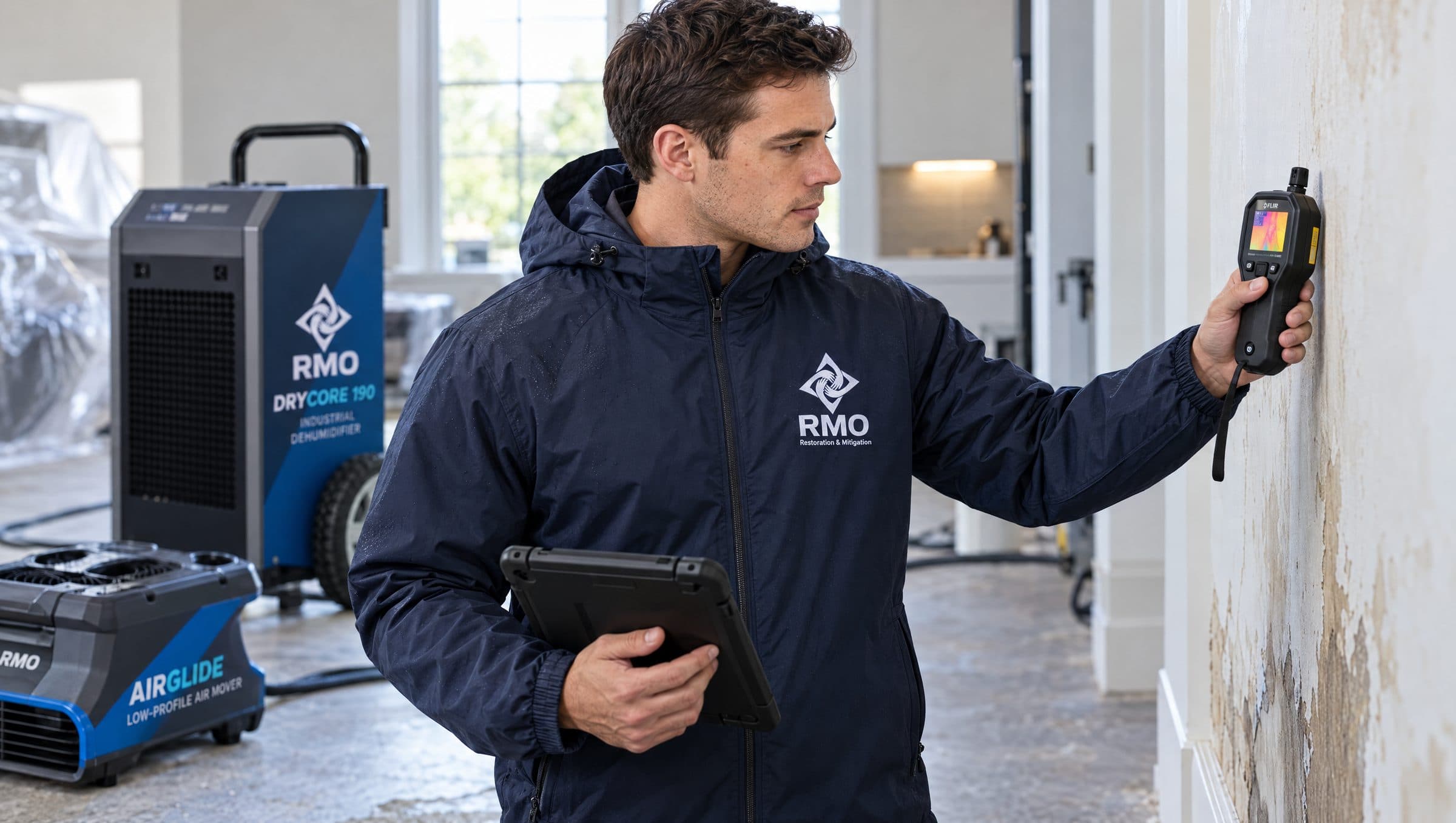
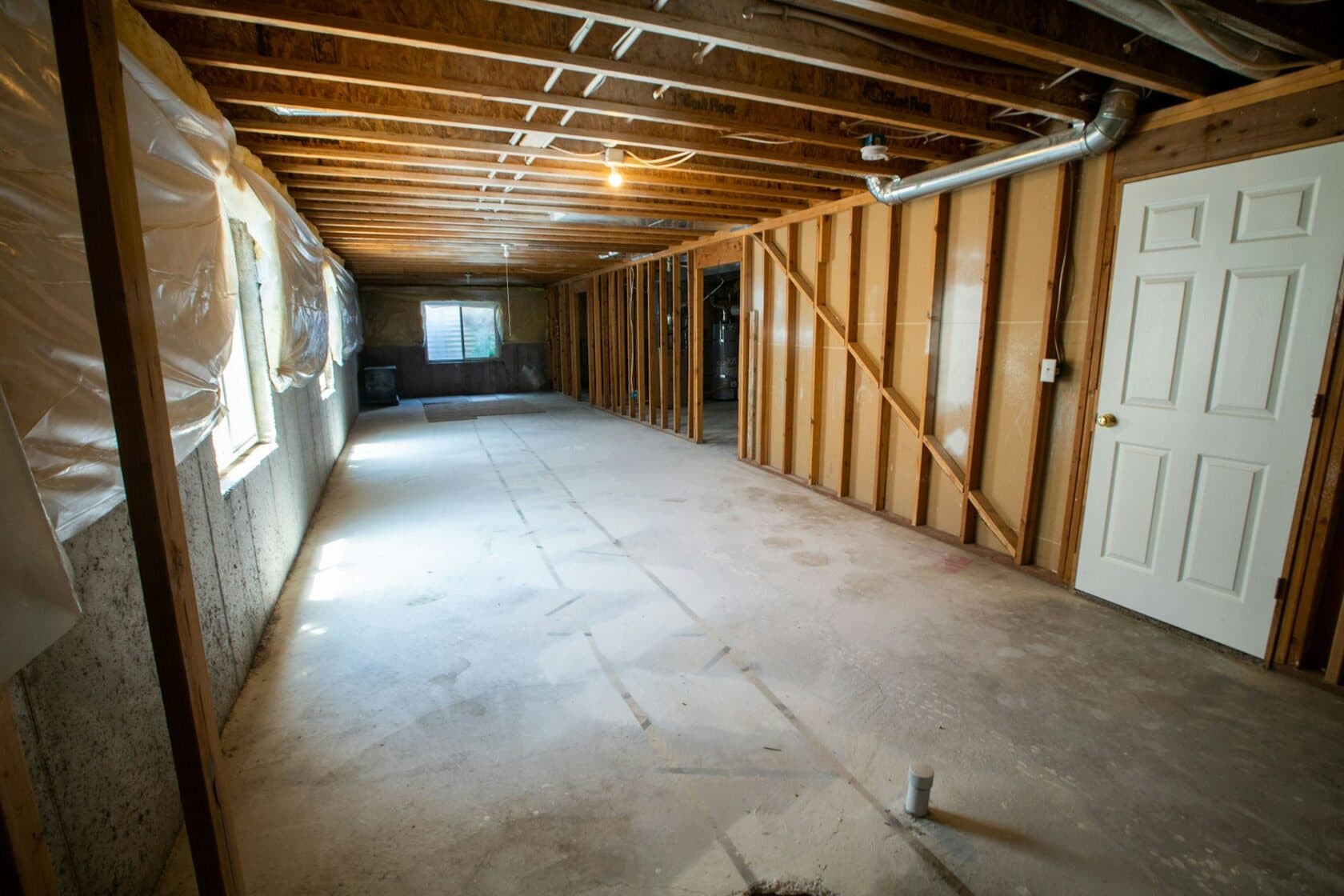

In short: In the first hour after a basement floods, work in this order: get people away from danger, stop the water if you can do it safely, photograph everything before you move it, then lift what you can save off the wet floor. After that, the job is drying, and it has a deadline. EPA's guidance is to dry water-damaged areas and items within 24 to 48 hours to prevent mold growth.
Metro Detroit knows how fast this happens. On August 11, 2014, 4 to 6 inches of rain fell in about four hours over Wayne, southern Oakland and Macomb counties, and the National Weather Service put direct flood damage at $1.8 billion. On June 25 and 26, 2021, most of Metro Detroit got 3 to 6 inches in 24 hours, and flooded basements were reported throughout the morning of June 26.
Minutes 0 to 10: make it safe
- Stay out of the water until you know the power is off. Ready.gov warns not to touch electrical equipment if it's wet or if you're standing in water.
- Shut off power at the main breaker only if you can reach the panel without stepping in water. If the panel is in the flooded area, leave it alone and call an electrician.
- If you smell gas or hear hissing, leave the house right away and call the fire department from a safe distance, as the Red Cross advises.
- Keep children and pets out of the basement. Ready.gov says children should not take part in disaster cleanup, and that people with asthma, other lung conditions or weakened immune systems should not enter buildings with indoor leaks or mold.
- If the water came up through a floor drain, toilet or shower, assume it is sewage. Wear rubber boots and gloves, and keep everyone else out.
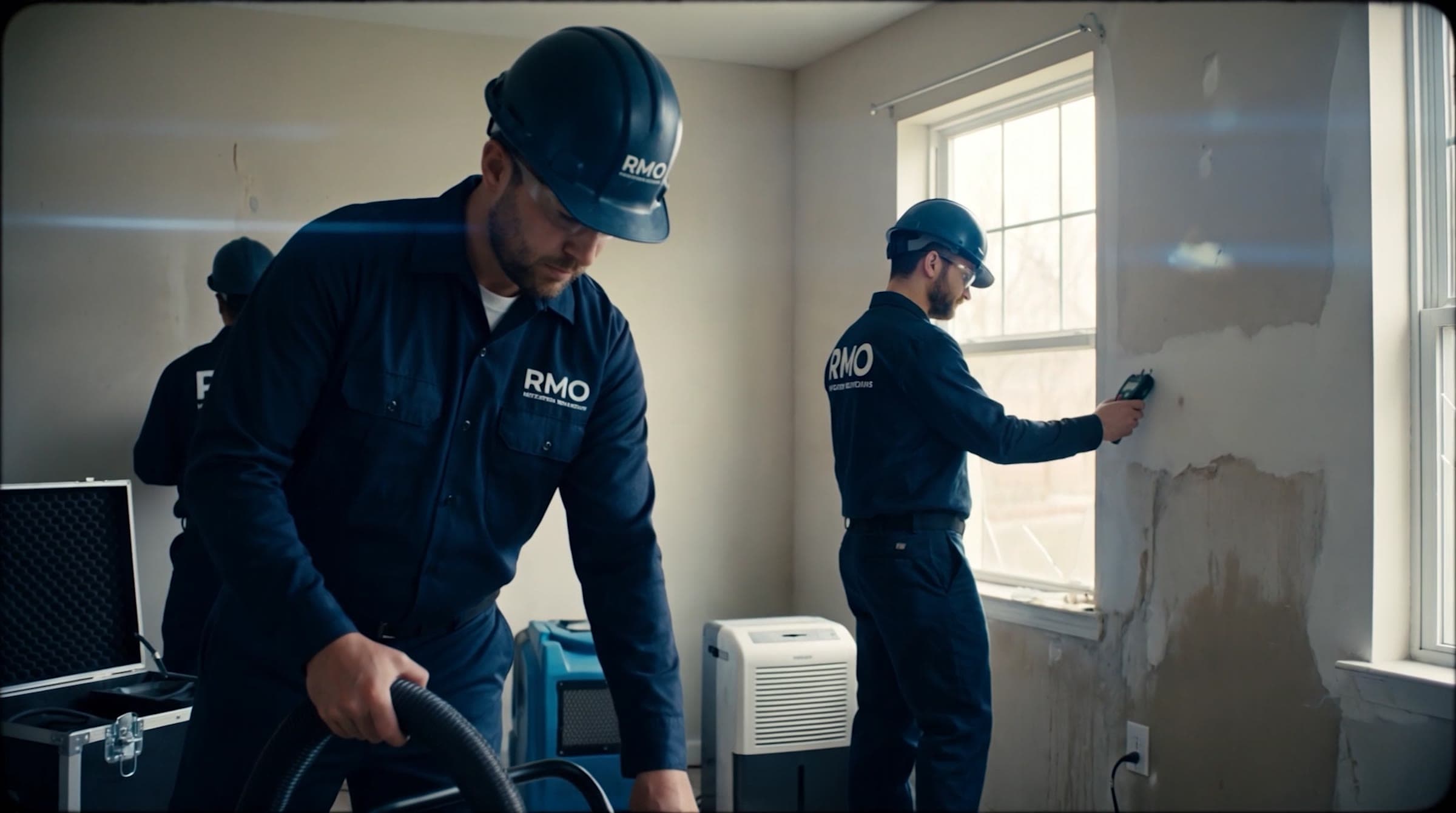
Minutes 10 to 20: stop the water if you safely can
What you do next depends on where the water is coming from.
- A burst pipe or leaking water heater: close the main water shut-off valve and call a plumber. The Red Cross gives the same advice for damaged water pipes.
- A sewer backup: hold off on showers, laundry and flushing until the line drains. Backed-up wastewater can come up through the lowest fixture, often the basement floor drain, according to the City of Detroit's flood handbook.
- Rain or groundwater: check that the sump pump is running and that downspouts empty away from the house. The same handbook says a home with a sump pump should have a backup power source.
- If the yard or street is still flooded, don't pump the basement out yet. The City of Detroit's cleanup guide says to wait until most of the outside water has gone down, so the walls aren't pushed in and the floor doesn't heave.
- Never run a gasoline pump or generator indoors. To prevent carbon monoxide poisoning, the Red Cross says fuel-burning devices should never be used inside a home or basement, or even outside near an open window.
Minutes 20 to 40: photograph before you move anything
Photos are your record of the loss. Take them before anything is lifted, tossed or cleaned.
- Start wide, then go close, in photos and video: each wall, the floor, the water line on walls and boxes, and the source.
- Photograph the make, model and serial number plates on the furnace, water heater, washer, dryer and freezer. FEMA's flood claims checklist asks for them.
- Write down when you found the water and every step you've taken since. Keep receipts for pumps, fans, tarps or anything else you buy to protect the house.
Michigan's Department of Insurance and Financial Services (DIFS) advises not getting rid of damaged items until your insurer says to. If something must go sooner for health reasons, FEMA's checklist suggests keeping a sample, such as a square of carpet, for the adjuster.
Minutes 40 to 60: move what you can save
- Carry dry boxes, papers, photos and electronics upstairs.
- Don't plug in or switch on anything that got wet. The City of Detroit's cleanup guide warns that wet appliances can shock, overheat or start a fire.
- Lift furniture off wet carpet, and separate damaged items from undamaged ones so the adjuster can see what was lost.
- If water reached the furnace or water heater, have it checked before using it, as the Red Cross advises for every appliance.
What to leave alone
- Sewage-soaked carpet, drywall and cardboard. When sewage is involved, EPA recommends a professional with experience in buildings damaged by contaminated water.
- Visible mold. Scraping or tearing at it can release spores into the air.
- Bleach mixed with other cleaners. EPA warns that chlorine bleach combined with products containing ammonia can produce toxic fumes.
When to call a restoration company
Call for professional help the same day if any of these apply:
- The water came from a sewer backup or from floodwater outside.
- Water soaked into drywall, carpet pad, insulation or furniture, not just the concrete floor.
- The furnace, water heater or electrical panel got wet.
- You can't get the basement dry within a day or two. The Red Cross says that if a flooded home can't be dried within 24 to 48 hours, you should assume mold is growing.
A restoration crew classifies the water first. The ANSI/IICRC S500 standard sorts it into three categories, from clean supply-line water to grossly contaminated water such as sewage, and the category decides what can be dried in place and what has to go.
In Detroit: report a sewer backup to DWSD
If you live in Detroit and the backup came from the city system, call the Detroit Water and Sewerage Department at 313-267-8000 to report it and get a Service Request number. DWSD says you may file a damage claim within 45 days of discovering the backup, and you need that number to file. Outside Detroit, call your city's water or public works department the same day and ask how its process works.
Detroit's Basement Backup Protection Program installed backwater valves and sump pumps at no cost to eligible homeowners in 11 neighborhoods with a history of backups. Applications for its first two phases are closed and will reopen only if new funding arrives, so check DWSD's page before counting on it.
Whoever you call, these first steps protect your family, your house and your claim.
Sources
- Ready.gov: Floods
- American Red Cross: Flood safety
- American Red Cross: Checking your home's utilities, systems and household items
- American Red Cross: Checking your home's structural elements
- EPA: A brief guide to mold, moisture and your home
- FEMA FloodSmart: NFIP claims checklist for policyholders
- Michigan DIFS: Flood
- City of Detroit: How to clean a basement after a flood
- City of Detroit: Basement Backup & Flooding Handbook
- DWSD: Damage claims and sewage backups
- DWSD: Basement backup and flood protection
- National Weather Service Detroit: August 11, 2014 historic rainfall
- National Weather Service: Water Year 2014 flood loss summary (PDF)
- National Weather Service Detroit: Metro Detroit flooding, June 26, 2021