
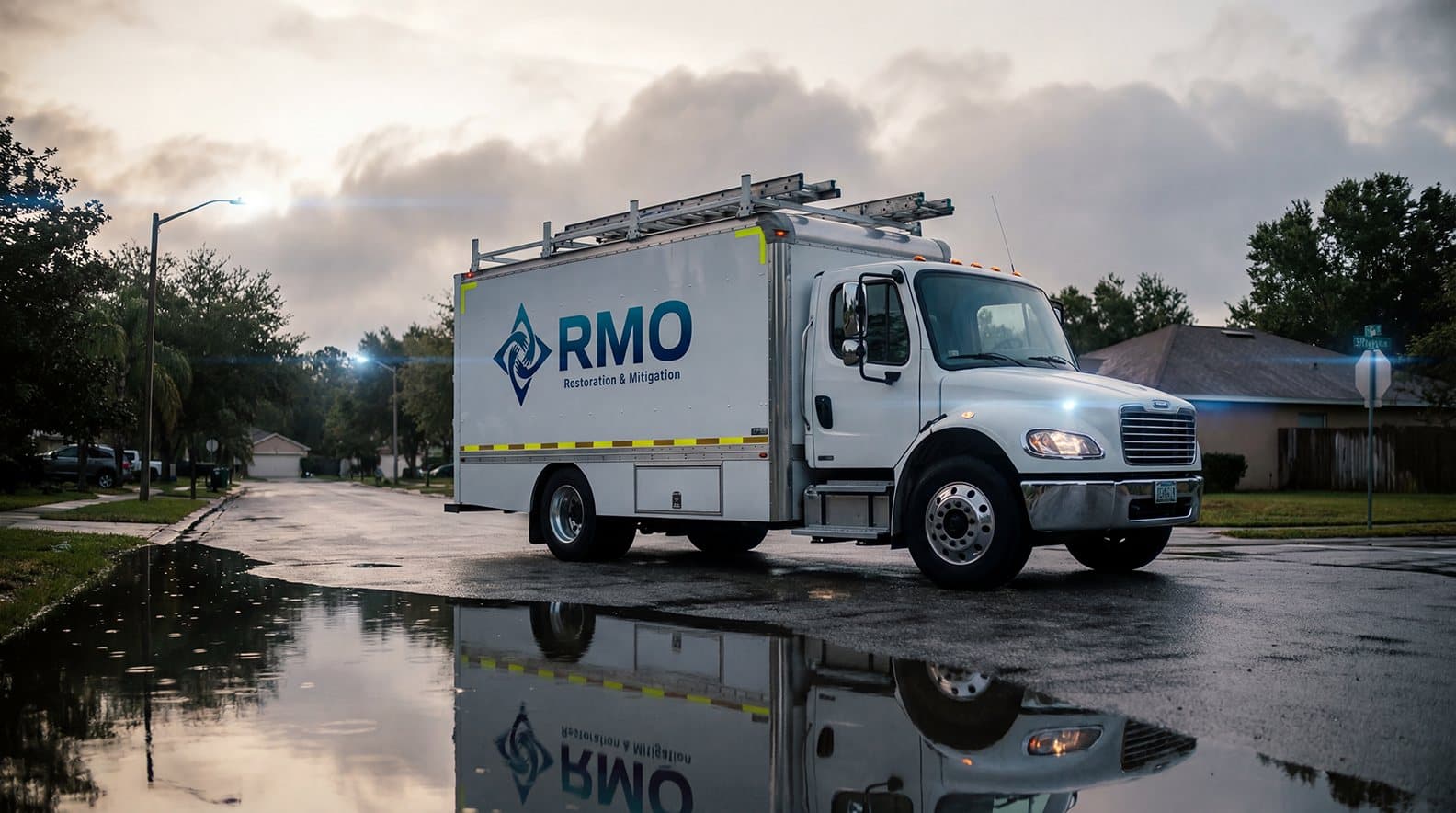
Large loss flood cleanup for Metro Detroit commercial and industrial properties
When water reaches several floors, an entire warehouse or more than one building, cleanup becomes a project. RMO runs it like one: a project lead, staged work areas, daily progress reports and a team that stays through the rebuild.
24-hour emergency hotline248-845-0000A person answers, day or nightHow we manage a large commercial flood
Large losses come from storms that overwhelm roof drains and sewers, sprinkler mains that break over a weekend, and overland flooding that fills lower levels across a campus. The water may be clean in one area and contaminated in another, and the power may be out. What matters on the first day is a plan: what to protect first, how to keep crews and occupants safe, and how to keep the working parts of the property in service.
We walk the site with your facility team, map affected areas floor by floor and building by building, and set priorities with you, such as tenant spaces, data rooms, production lines or inventory. Work is staged. Containment separates occupied areas from work zones, extraction starts where water is deepest, and drying follows in phases. Where building power is down or can't carry the load, temporary power is brought in, and desiccant dehumidifiers handle the large volumes and cold conditions that refrigerant units struggle with.
Each day you get a progress report: what was dried, removed and cleaned, readings by area, equipment on site and the plan for tomorrow. Your adjuster gets the same report. As zones meet their drying goals, our rebuild crews move in behind the mitigation crews, so reconstruction starts in one area while drying finishes in another.
One point of contact
A project lead coordinates crews, equipment, your facility team and the adjuster, and reports progress every day.
Scaled in phases
Crews and equipment are added as areas open up, and critical spaces are dried and returned first.
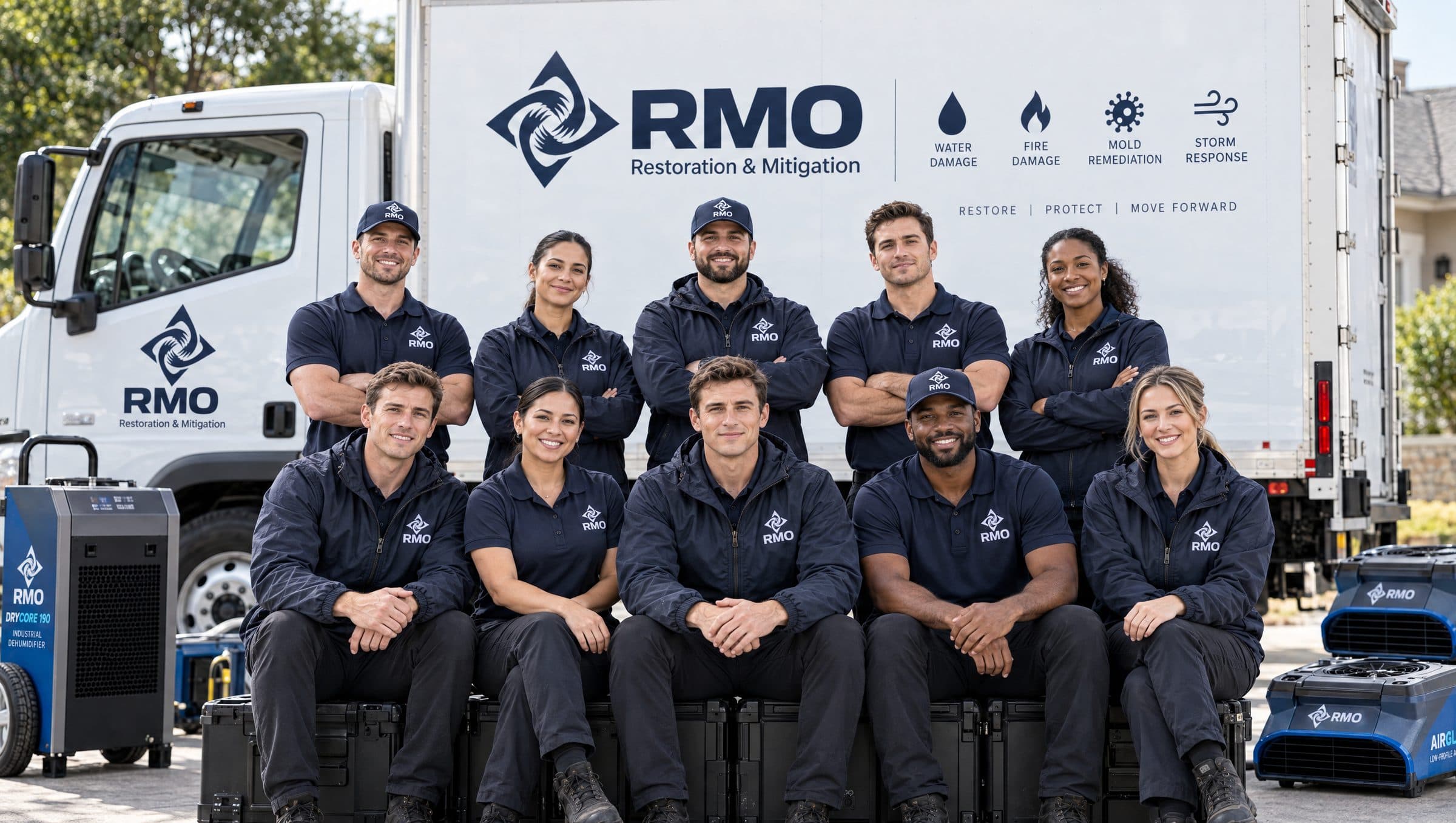
What large loss flood cleanup includes
Site assessment and priorities
Affected areas are mapped by floor and building, and priorities are agreed with your team before equipment is placed.
High-volume water removal
Submersible pumps, extractors and wet vacuums clear basements, lower levels, loading docks and large open floors.
Staged containment
Barriers separate work zones from occupied or unaffected areas and move as each phase finishes.
Temporary power
When building power is out or limited, temporary power is arranged so drying doesn't wait on the utility.
Desiccant and refrigerant drying
Desiccant dehumidifiers handle large, cold or sealed spaces, with refrigerant units where they fit better.
Contaminated material removal
Materials touched by Category 3 floodwater are removed and disposed of by crews in protective equipment.
Daily progress reporting
Readings, completed work, equipment counts and next steps go to you and your adjuster each day.
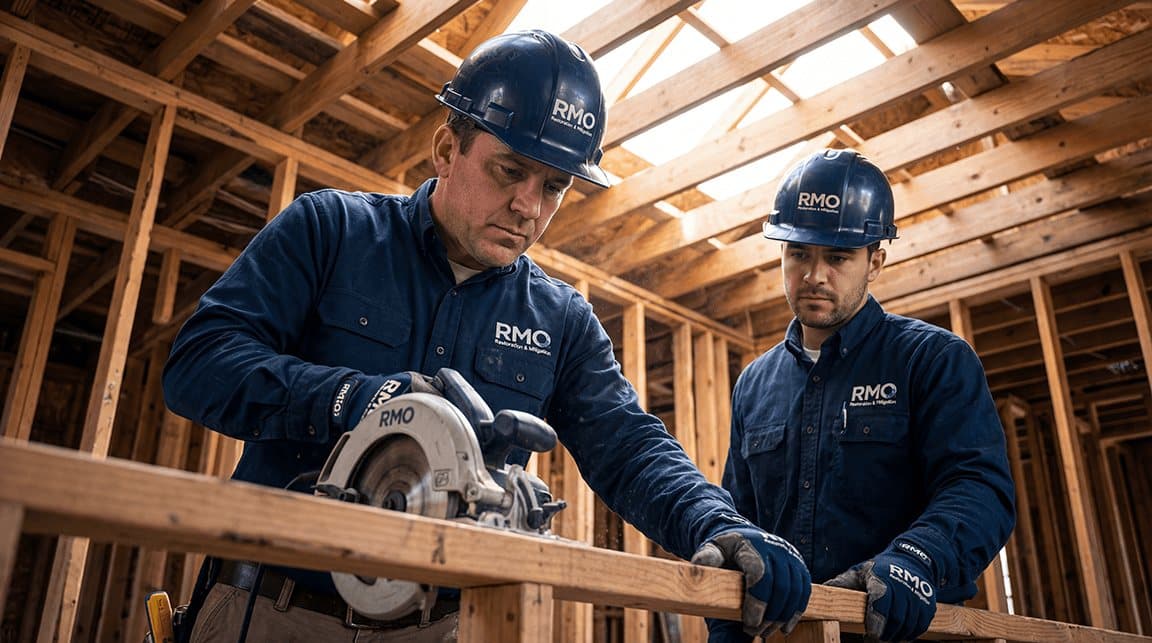
Phased reconstruction
Rebuild begins zone by zone as each area is confirmed dry.
Signs you're dealing with a large loss
- More than one floor or building is affected
- Water reached mechanical, electrical or elevator equipment
- Floodwater came from outside or from the sewer
- Building power or HVAC is down
- Inventory, equipment or production areas are under water
From your call to the last repair
One phone number and one accountable team, from the emergency to the finished repair.
Call us, day or night
A person answers 248-845-0000 at any hour and asks a few quick questions, so the right crew and equipment roll.
On site in about 60 minutes
Across Metro Detroit, an IICRC-certified crew arrives, finds the source and makes the property safe.
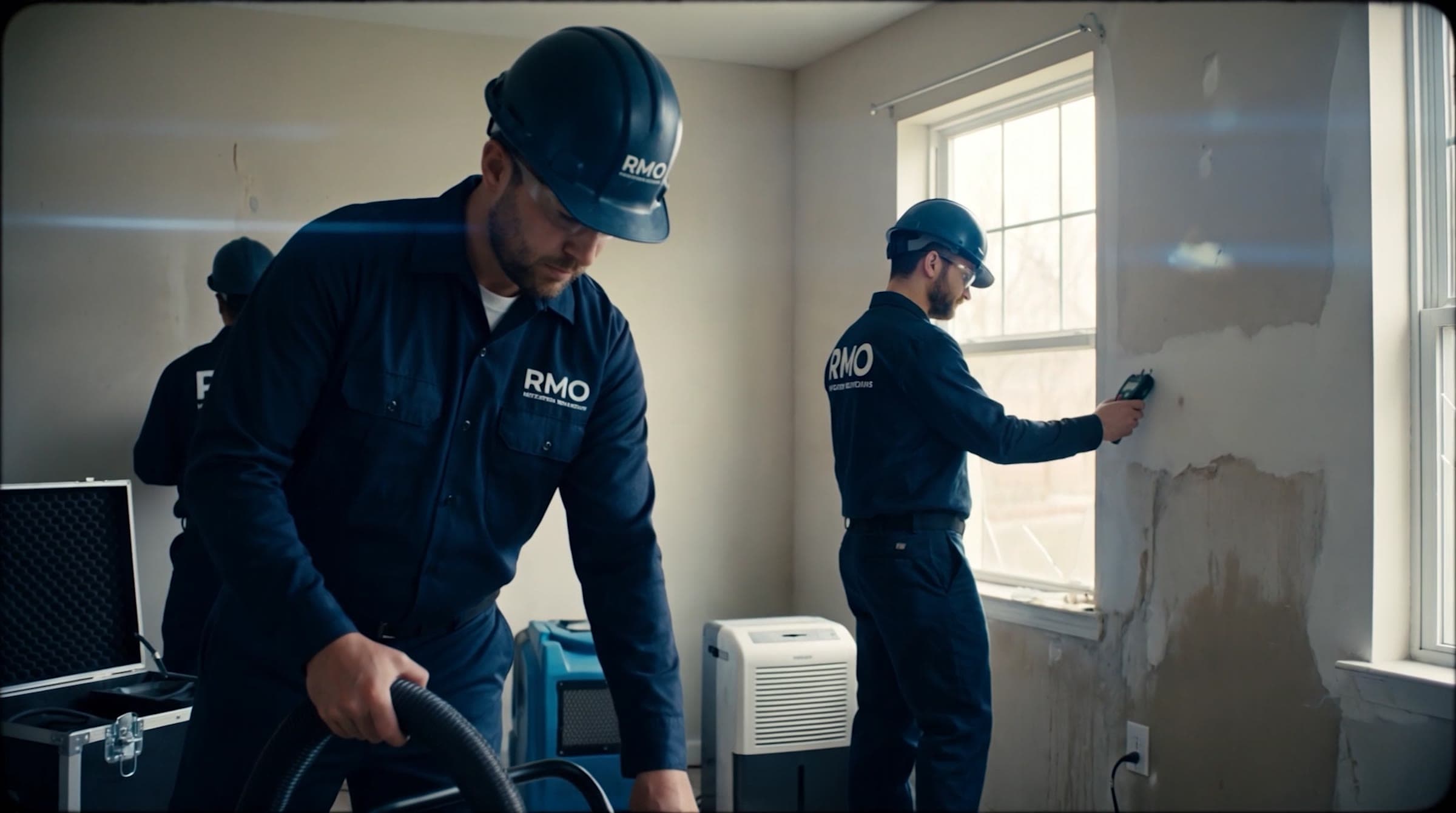
Mitigate and document
We stop the damage, extract and dry, and record photos and moisture readings your insurer can use.
Restore and rebuild
Once everything is dry and clean, the same team handles the repairs, from drywall and flooring to finishes.
Why RMO for large losses
Daily reports, not silence
You and your adjuster see the same report every day, with readings by area and the plan for the next shift.
Priorities set with your team
Critical spaces are dried and returned first, so tenants, production or public services come back as soon as conditions allow.
Mitigation and rebuild under one contract
The same company dries, cleans and rebuilds, so a long project has one schedule and one accountable contractor.
We will work with your insurance
We will work with any insurance carrier you use. We’ve done it on claim after claim, and we take pride in it: every job is documented from the first hour and priced line by line, and we work hard so your insurance covers the whole project.
Many of our clients have saved thousands of dollars this way, and many paid nothing beyond their deductible.
How we help with insurance claims








Examples of carriers our customers use. RMO is an independent company and isn’t affiliated with or endorsed by these insurers.
Questions people ask us
Don’t see yours? A person answers 248-845-0000 around the clock.
What makes a loss a large loss?
There's no single cutoff. Losses that cover several floors or buildings, need temporary power or involve contaminated floodwater over large areas are usually managed as large losses. The difference is in the planning: a project lead, phased work and daily reporting.
How do you keep part of the property open?
Through staged containment and scheduling. Barriers and negative air separate work zones from occupied space, equipment is placed to keep exits and walkways clear, and disruptive tasks can run after hours. Each phase is agreed with your facility team before it starts.
Who communicates with our insurance company?
We work directly with your carrier and adjuster, who receive the same daily reports you do, along with photos, moisture readings, drying logs and an itemized scope. Coverage decisions stay with your insurer, and we keep the documentation complete and current.
Can rebuilding start before everything is dry?
Yes. Areas are released for repairs as they reach their drying goals, so reconstruction can begin on one floor while another is still drying. That overlap can shorten the overall project.
We will restore your property

Related services
All commercial services- Water Extraction & Structural DryingHigh-volume water removal and measured drying that saves building materials and helps shorten downtime.
- Commercial ReconstructionDrywall, framing, ceilings, flooring and finishes rebuilt by the team that handled the mitigation, phased around your operations.
- Industrial Equipment CleaningPost-loss cleaning of production lines, plant equipment and work areas, coordinated with your maintenance team.
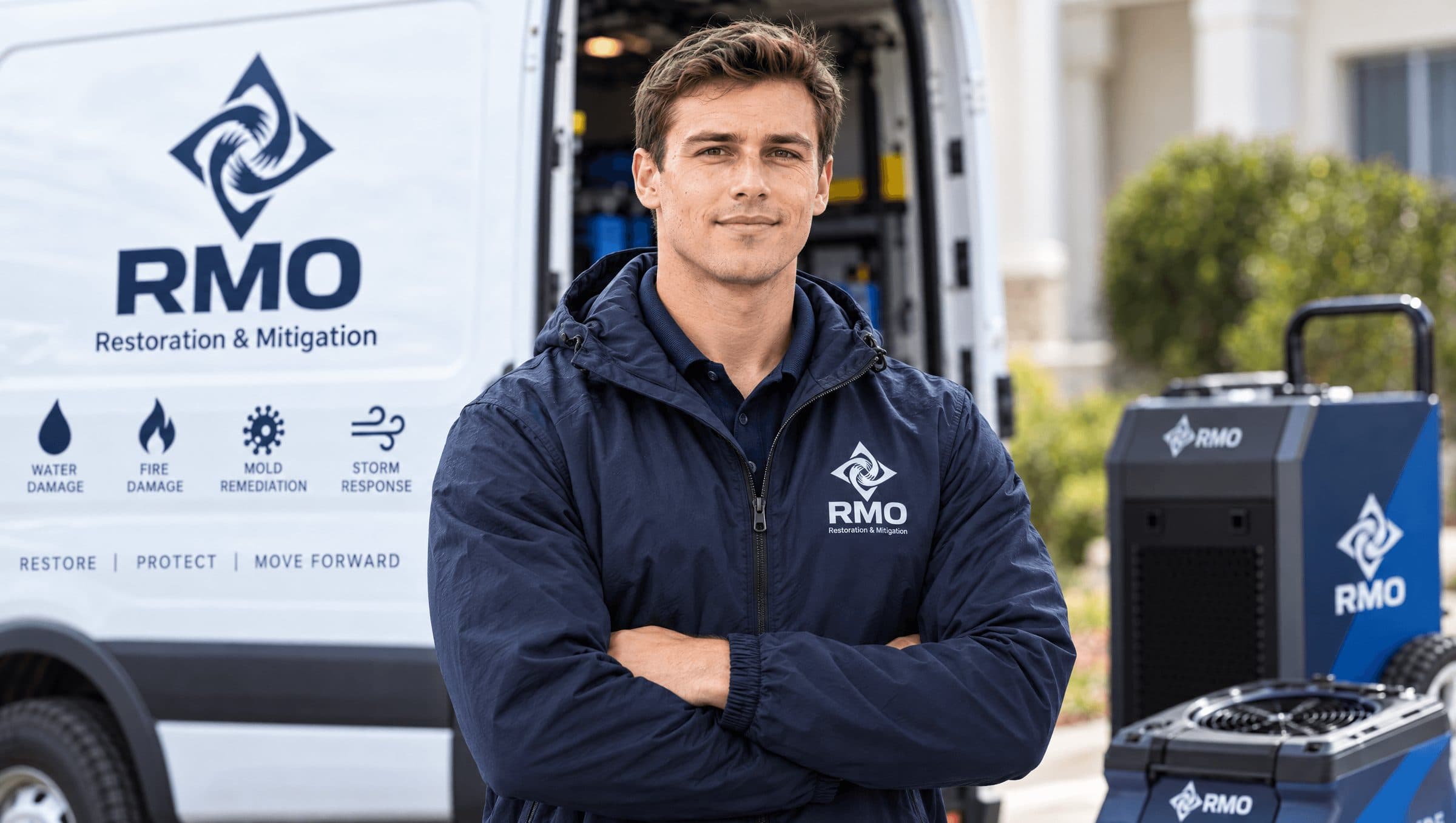
Request a call and we’ll contact you soon
Leave your name and number and a coordinator will call you back. If water is still coming in, or there’s smoke or sewage, call now.
Call 24/7248-845-0000- A person answers 24/7
- On site in about 60 minutes
- We work with your insurer
Your details
Only your name and phone number are required.