
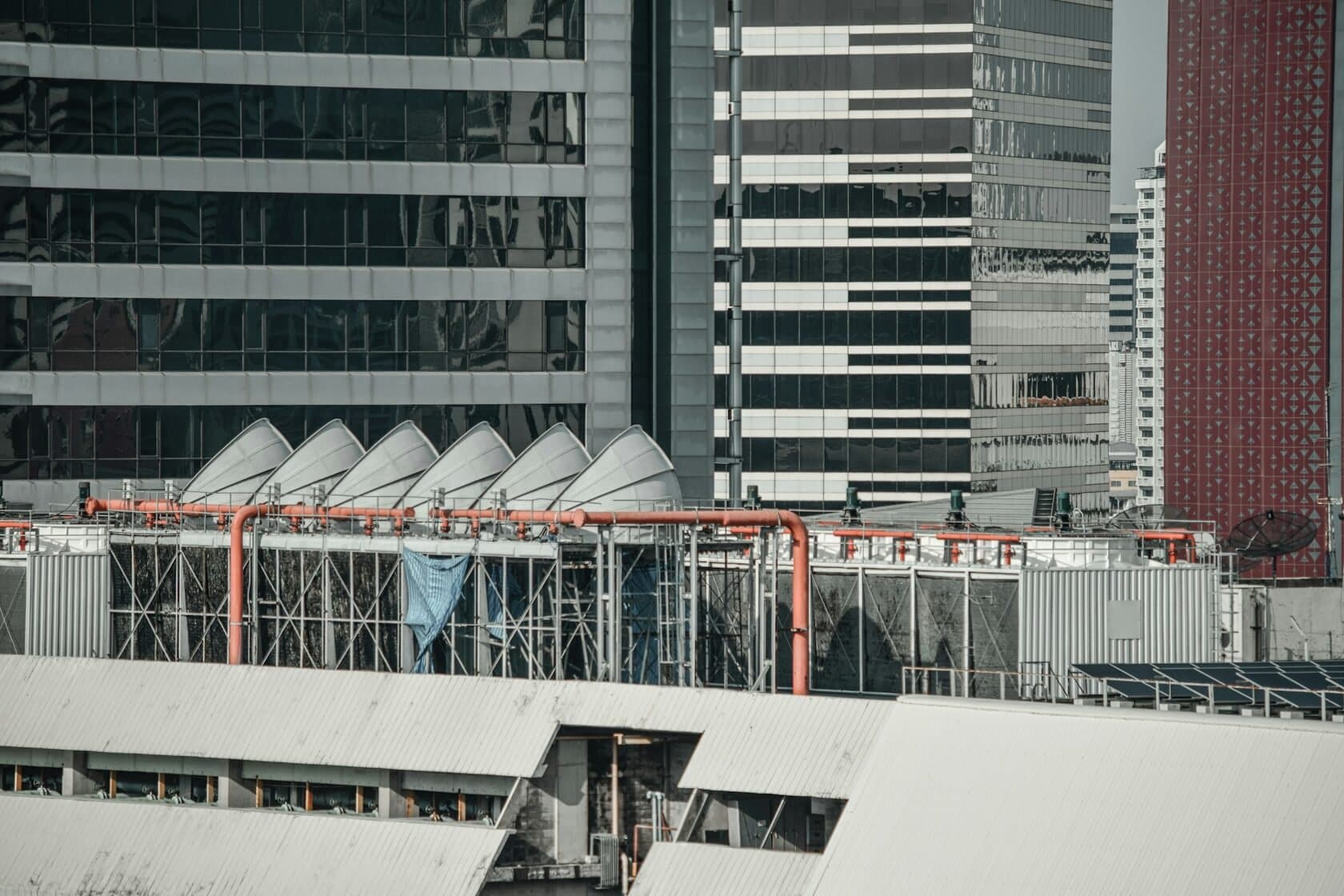
HVAC and air duct cleaning after fire, water and mold damage in Metro Detroit
A building's air system can carry soot, spores and contaminated dust from one damaged area to every floor it serves. RMO cleans ductwork and air-handling components after a loss, working with your mechanical contractor so the system can restart without spreading residue.
24-hour emergency hotline248-845-0000A person answers, day or nightWhy the air system matters after a loss
If the HVAC system ran during a fire, it pulled smoke through the returns and pushed soot into supply ducts across the building. After a flood, water can reach floor ducts, air handlers in lower levels and the insulation inside ductwork. Mold growing near a return or on a wet coil can send spores through the whole system. Cleaning the rooms without cleaning the air system leaves a source that puts residue right back into them.
We inspect the system with your facility team or HVAC contractor, including air handlers, coils, drain pans, plenums and representative duct runs, and decide what can be cleaned and what should be replaced. Bare sheet-metal duct can usually be cleaned. Fiberglass duct board, internally lined duct and filters that are soaked, moldy or heavily sooted are usually replaced. Fire residue can corrode coils and other metal parts, so a contaminated system should stay off until it is cleaned.
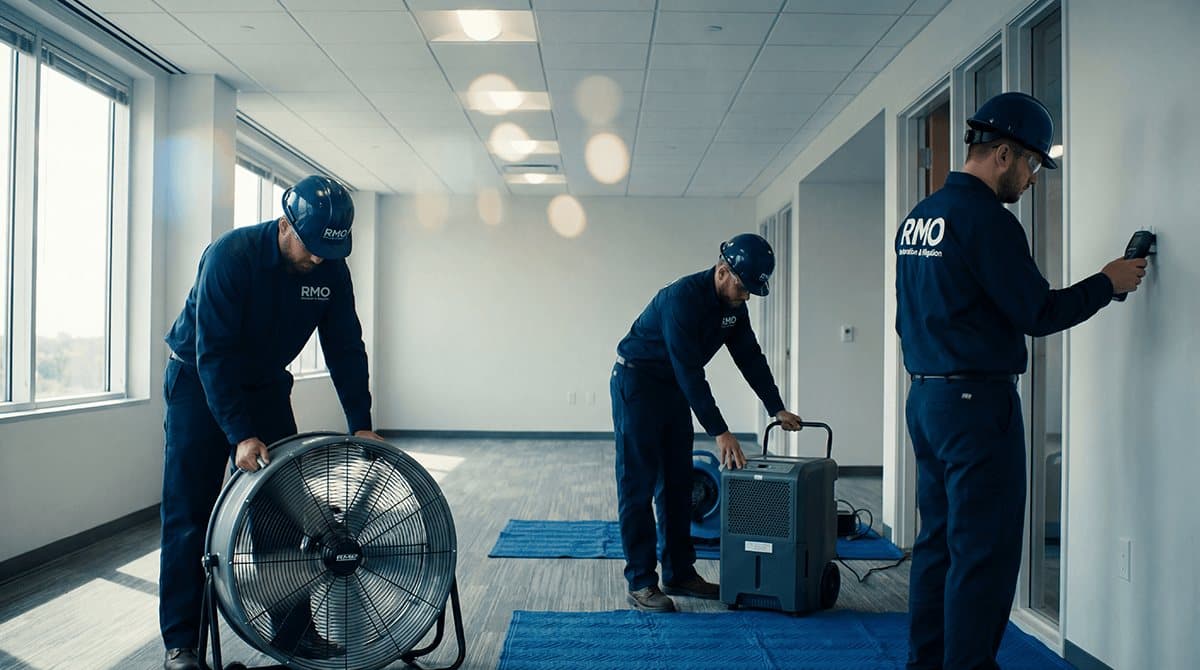
Cleaning uses source removal: each section is put under negative pressure with HEPA-filtered collection while brushes, air whips and HEPA vacuums loosen and capture the residue. Registers, grilles and accessible interior surfaces are cleaned, and the work is documented with photos before and after. Your mechanical contractor handles motors, controls and any repairs, and we schedule around their visits.
Restoration-focused cleaning
We clean systems contaminated by a fire, flood, sewage backup or mold growth as part of restoring the building.
Coordinated with your HVAC contractor
Your mechanical team handles the equipment's mechanical and electrical work, and we handle the contamination.
What post-loss HVAC cleaning includes
System inspection
Air handlers, plenums, coils, drain pans and duct runs are inspected and photographed to set the scope.
Clean-or-replace decisions
Lined duct, duct board, filters and insulation are evaluated, and replacement is recommended where cleaning won't work.
Source-removal duct cleaning
Ducts are cleaned under negative pressure with HEPA-filtered collection, so loosened debris doesn't spread.
Registers, grilles and diffusers
Supply and return covers are removed, cleaned and reinstalled, or replaced if they are corroded.
Air handler and plenum cleaning
Accessible interior surfaces are cleaned of soot, debris and growth.
Corrosion control
Soot on metal components is removed promptly to limit corrosion, and damaged parts are flagged for your technician.
Documentation
Before-and-after photos and a written scope support your insurance claim and maintenance records.
Signs your air system needs cleaning after a loss
- The system ran during a fire or smoke event
- Soot around supply vents or return grilles
- A musty odor when the air comes on
- Water reached floor ducts or an air handler
- Visible growth on coils, drain pans or duct liner
- Demolition or construction dust in the ductwork
From your call to the last repair
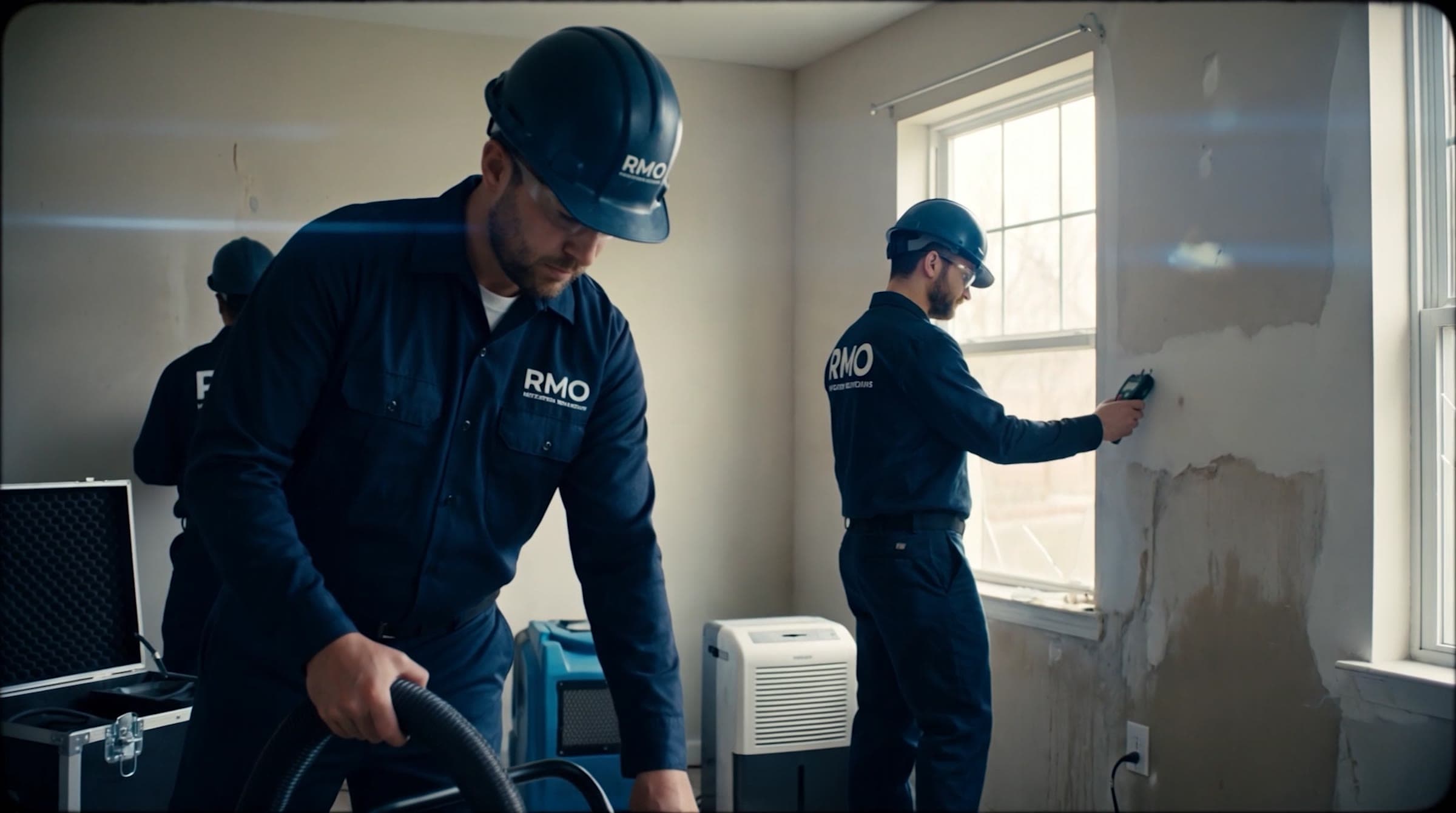
One phone number and one accountable team, from the emergency to the finished repair.
Call us, day or night
A person answers 248-845-0000 at any hour and asks a few quick questions, so the right crew and equipment roll.
On site in about 60 minutes
Across Metro Detroit, an IICRC-certified crew arrives, finds the source and makes the property safe.
Mitigate and document
We stop the damage, extract and dry, and record photos and moisture readings your insurer can use.
Restore and rebuild
Once everything is dry and clean, the same team handles the repairs, from drywall and flooring to finishes.
Why RMO for post-loss HVAC cleaning
Part of the whole restoration
Duct cleaning is scheduled with structural cleaning and odor treatment, so clean rooms aren't recontaminated by a dirty system.
Straight answers on clean versus replace
We tell you when lined duct or duct board should be replaced rather than cleaned, and we document why for your adjuster.
Your technicians keep the equipment
We remove the contamination and leave mechanical and electrical work to the contractor who services your system.
We will work with your insurance
We will work with any insurance carrier you use. We’ve done it on claim after claim, and we take pride in it: every job is documented from the first hour and priced line by line, and we work hard so your insurance covers the whole project.
Many of our clients have saved thousands of dollars this way, and many paid nothing beyond their deductible.
How we help with insurance claims










Examples of carriers our customers use. RMO is an independent company and isn’t affiliated with or endorsed by these insurers.
Questions people ask us
Don’t see yours? A person answers 248-845-0000 around the clock.
Should we run the HVAC system after a fire?
Not until it has been inspected. Running a contaminated system spreads soot through the building and can damage its own components. If you need heat in winter to keep pipes from freezing, talk with us and your mechanical contractor about temporary heat.
Can moldy ductwork be cleaned?
Bare sheet-metal duct with mold growth can usually be cleaned once the moisture source is corrected. Fiberglass duct board and internally lined duct with growth usually has to be replaced, because growth can't be reliably removed from porous liner. We show you what we found before any work starts.
How long will the system be down?
That depends on the size of the system and how much replacement is needed. Where the layout allows, we clean in sections so parts of the building keep conditioned air while others are worked on. We also schedule with your mechanical contractor to keep downtime short.
Does insurance pay for duct cleaning after a loss?
That's your carrier's decision. We document the contamination with photos and a written scope, so your adjuster can see why the system needs cleaning or replacement.
We will restore your property

Related services
All commercial services- Commercial Fire & Smoke RestorationBoard-up, soot and odor removal, contents cleaning and rebuild for commercial buildings after a fire.
- Mold Damage RestorationContained mold removal for commercial buildings, with the moisture source addressed and independent clearance testing when appropriate.
- Industrial Equipment CleaningPost-loss cleaning of production lines, plant equipment and work areas, coordinated with your maintenance team.
Request a call and we’ll contact you soon
Leave your name and number and a coordinator will call you back. If water is still coming in, or there’s smoke or sewage, call now.
Call 24/7248-845-0000- A person answers 24/7
- On site in about 60 minutes
- We work with your insurer
Your details
Only your name and phone number are required.