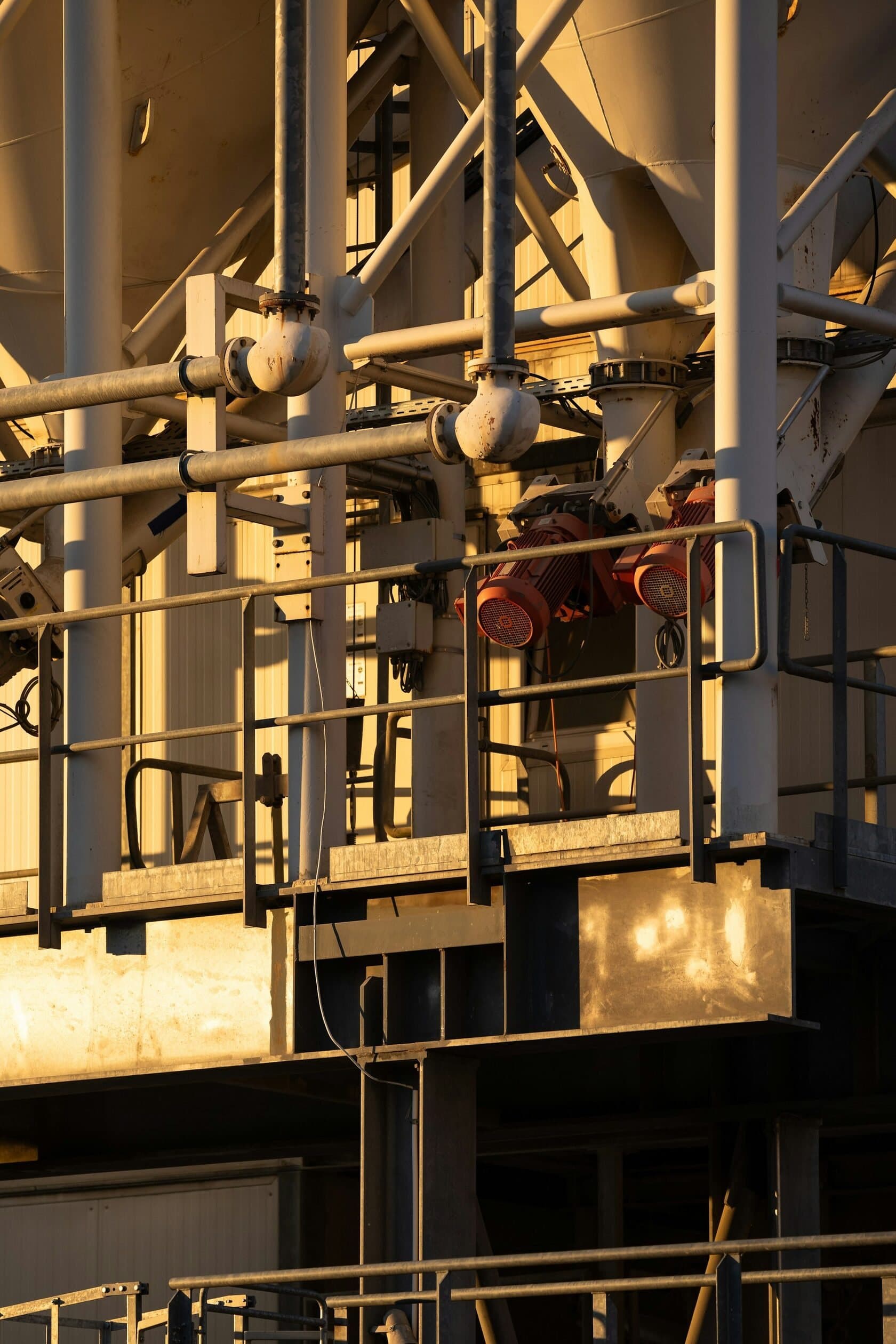
Industrial equipment cleaning for Metro Detroit plants after fire, smoke or flooding
A fire or flood in a plant can stop production even when the machines survive. RMO cleans soot, water residue and contamination from production equipment and plant areas, working with your maintenance team so lines can restart sooner.
24-hour emergency hotline248-845-0000A person answers, day or nightGetting a plant back into production
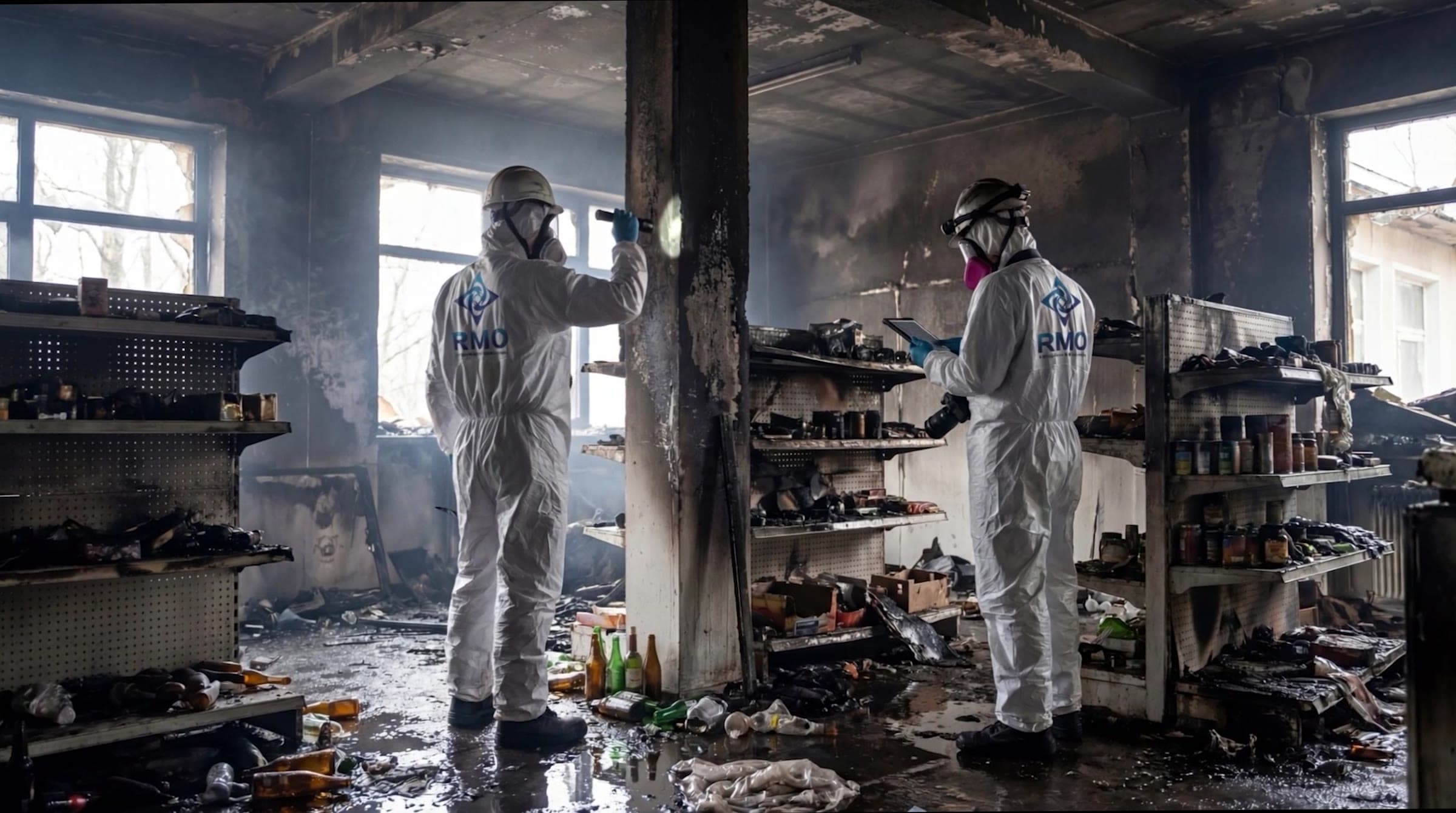
After a fire, soot settles on conveyors, presses, control cabinets, racking and every surface under the roof deck. Residue from burned plastics combines with the humidity left by firefighting water and begins attacking bare steel, machined surfaces and electrical contacts. After a flood, silt and contaminated water leave their own corrosion and buildup, often inside guards and housings that production crews don't normally open.
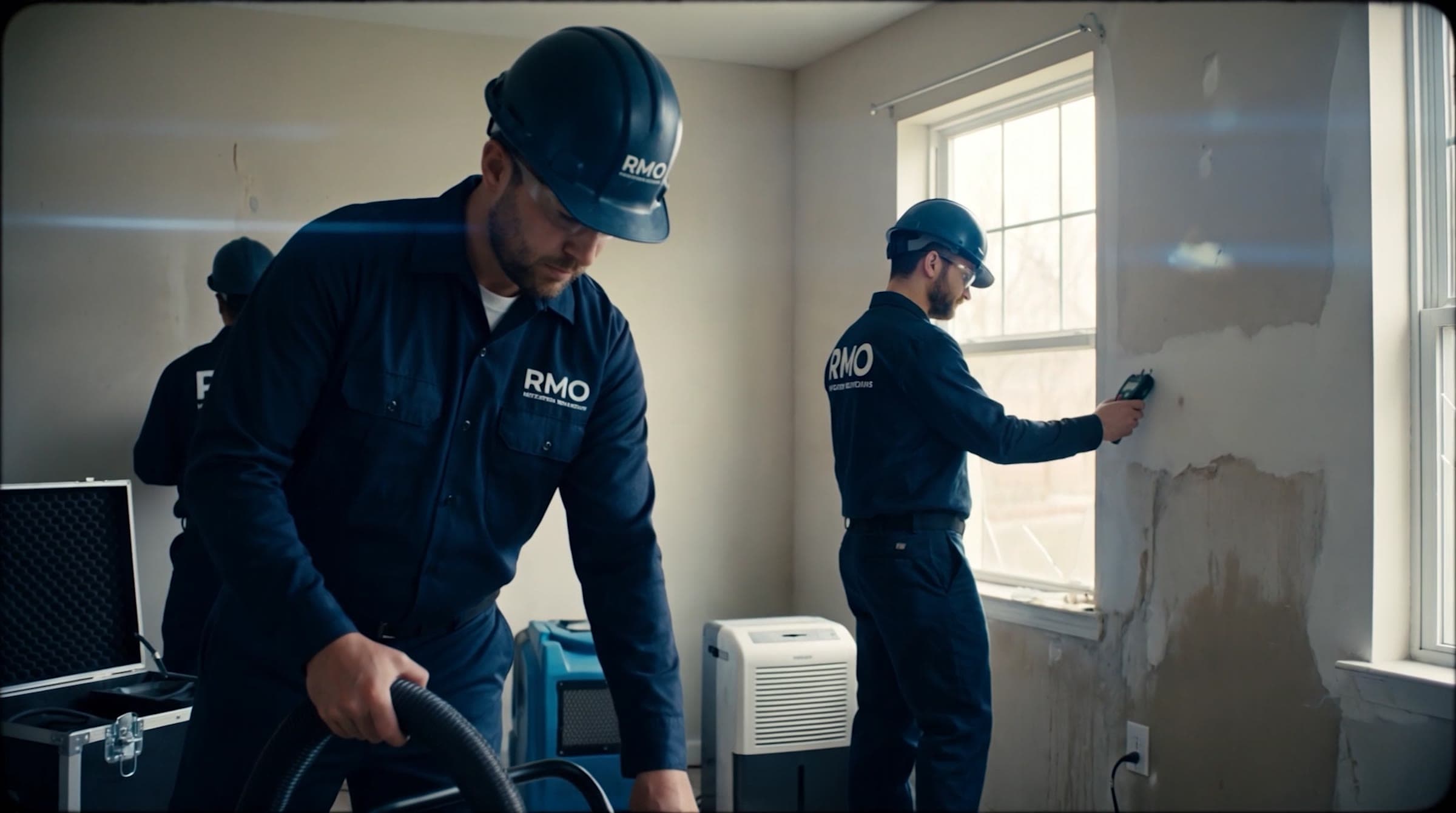
We start with an assessment walk with your maintenance and safety leads: what was exposed, which equipment is critical, what must stay locked out, and what the manufacturer's service team should handle. Then we clean the plant from the top down, structure and overhead first, then equipment exteriors and accessible components. Methods are matched to each surface, from HEPA vacuuming and dry soot sponges to degreasers and controlled wet cleaning where water is safe to use. Bare metal is protected with corrosion inhibitors as it is cleaned.
Each piece of equipment is logged with the condition found, the method used, the result and anything we recommend your technicians inspect before restart. That record supports your insurance claim and your restart checklist, and it makes clear what was cleaned and what may need repair or replacement.
Corrosion sets the pace
Acidic soot and wet residue attack bare metal quickly, so residue removal and protection start early.
Your maintenance team in the loop
Lockout, disassembly and restart stay with your technicians, and we clean around their schedule.
What industrial equipment cleaning includes
Exposure assessment
We map what was exposed to soot, water or chemicals and rank equipment with your team by production priority.
Overhead and structural cleaning
Roof decks, joists, lighting and ductwork are cleaned first, so residue doesn't fall back onto cleaned equipment.
Equipment exterior cleaning
Frames, guards, conveyors, cabinet exteriors and housings are cleaned with methods suited to each surface.
Accessible component cleaning
Components your technicians open or remove are cleaned and handed back for reassembly.
Corrosion control
Cleaned bare metal is treated with corrosion inhibitors to protect it until normal operation resumes.
Floors, racking and work areas
Floors, aisles, racking and break areas are cleaned so the plant is ready for its people.
Equipment log
Each asset is documented with photos, condition notes and recommendations for inspection or replacement.
When to call for industrial equipment cleaning
- Soot or ash on equipment after a fire anywhere in the plant
- Floodwater or silt reached machine bases or pits
- Flash rust on bare or machined metal
- Smoke residue inside control cabinets
- Production waiting on equipment to be cleaned
From your call to the last repair
One phone number and one accountable team, from the emergency to the finished repair.
Call us, day or night
A person answers 248-845-0000 at any hour and asks a few quick questions, so the right crew and equipment roll.
On site in about 60 minutes
Across Metro Detroit, an IICRC-certified crew arrives, finds the source and makes the property safe.
Mitigate and document
We stop the damage, extract and dry, and record photos and moisture readings your insurer can use.
Restore and rebuild
Once everything is dry and clean, the same team handles the repairs, from drywall and flooring to finishes.
Why plants call RMO
A fast start against corrosion
Crews can be on site in about 60 minutes to begin residue removal and corrosion protection while the full scope is planned.
Clean versus replace, documented
Our equipment log shows what was cleaned and what we recommend for repair or replacement, so your insurer can see the reasoning.
We work inside your safety rules
Your lockout procedures, PPE requirements and site orientation apply to our crews, and your technicians control restart.
We will work with your insurance
We will work with any insurance carrier you use. We’ve done it on claim after claim, and we take pride in it: every job is documented from the first hour and priced line by line, and we work hard so your insurance covers the whole project.
Many of our clients have saved thousands of dollars this way, and many paid nothing beyond their deductible.
How we help with insurance claims








Examples of carriers our customers use. RMO is an independent company and isn’t affiliated with or endorsed by these insurers.
Questions people ask us
Don’t see yours? A person answers 248-845-0000 around the clock.
Can you clean while part of the plant keeps running?
Often, yes. We contain the work area, coordinate with your production schedule and follow your lockout procedures so cleaning doesn't interfere with operating lines. Off-shift and weekend work can be arranged.
Will cleaning affect our equipment warranties?
Not when the right people do the right work. Internal work on equipment under warranty or a service contract stays with the manufacturer's technician or your maintenance team, and we clean what they authorize. Check your warranty terms early so we can plan around them.
How do you decide whether equipment can be saved?
We look at what it was exposed to, for how long, and whether residue reached internal or electrical components. Exteriors and mechanical parts often clean well, while sensitive electronics and heavily corroded parts may not. Final calls on critical equipment are made with your technicians and, where relevant, the manufacturer.
Do you work with our insurance company?
Yes. We work directly with your carrier and adjuster, and our equipment log, photos and itemized scope give them what they need to evaluate the loss. The coverage decision is theirs.
We will restore your property

Related services
All commercial services- Machinery & Equipment CleaningMachine-by-machine cleaning and documentation for shop, kitchen, service-bay and production equipment after a fire or flood.
- Electronics RestorationStabilizing, cleaning and documenting electronics exposed to water, smoke or soot, in coordination with your IT team.
- Commercial Fire & Smoke RestorationBoard-up, soot and odor removal, contents cleaning and rebuild for commercial buildings after a fire.
Request a call and we’ll contact you soon
Leave your name and number and a coordinator will call you back. If water is still coming in, or there’s smoke or sewage, call now.
Call 24/7248-845-0000- A person answers 24/7
- On site in about 60 minutes
- We work with your insurer
Your details
Only your name and phone number are required.