
Structural cleaning for damaged homes in Metro Detroit
Before new drywall or flooring goes in, the structure behind it has to be clean. Call 248-845-0000: we remove soot, sewage residue and debris from framing, walls, ceilings and subfloors so repairs start on a sound base.
24-hour emergency hotline248-845-0000A person answers, day or nightWhat structural cleaning is, and why repairs depend on it
If walls or floors have been opened after a fire, flood or backup, don't let anyone close them up until the framing has been cleaned and the readings show it's dry. Keep the area shut off from the rest of the house, and don't store belongings in rooms where soot or sewage residue is still on the structure.
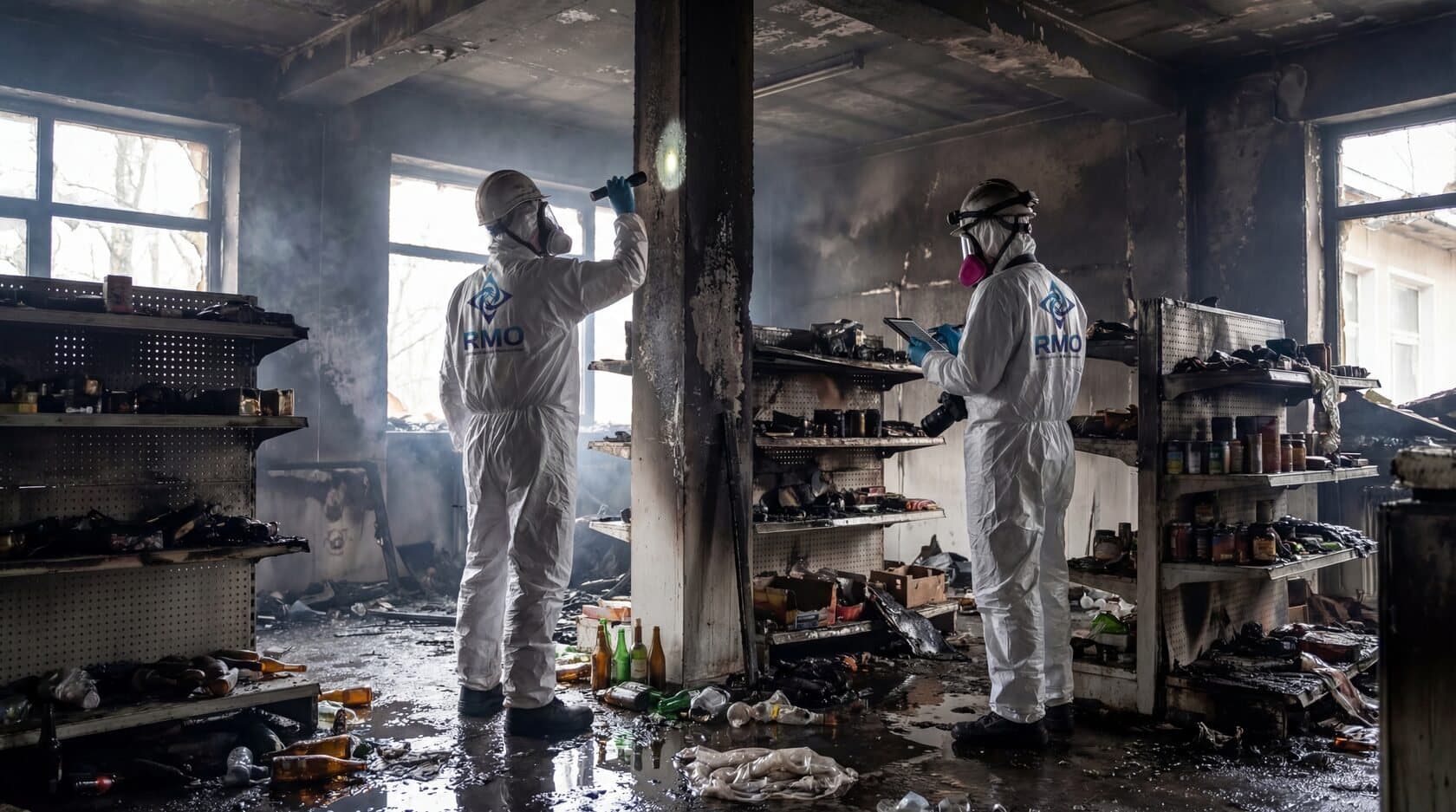
Structural cleaning is the step between mitigation and rebuild. After a fire, soot coats studs, joists, roof decking and the back of the drywall. After a sewage backup or flood, contamination stays on bottom plates, subfloor and concrete. After any tear-out, dust settles on every ledge. If that residue is covered instead of removed, it can keep releasing odor and staining new finishes.
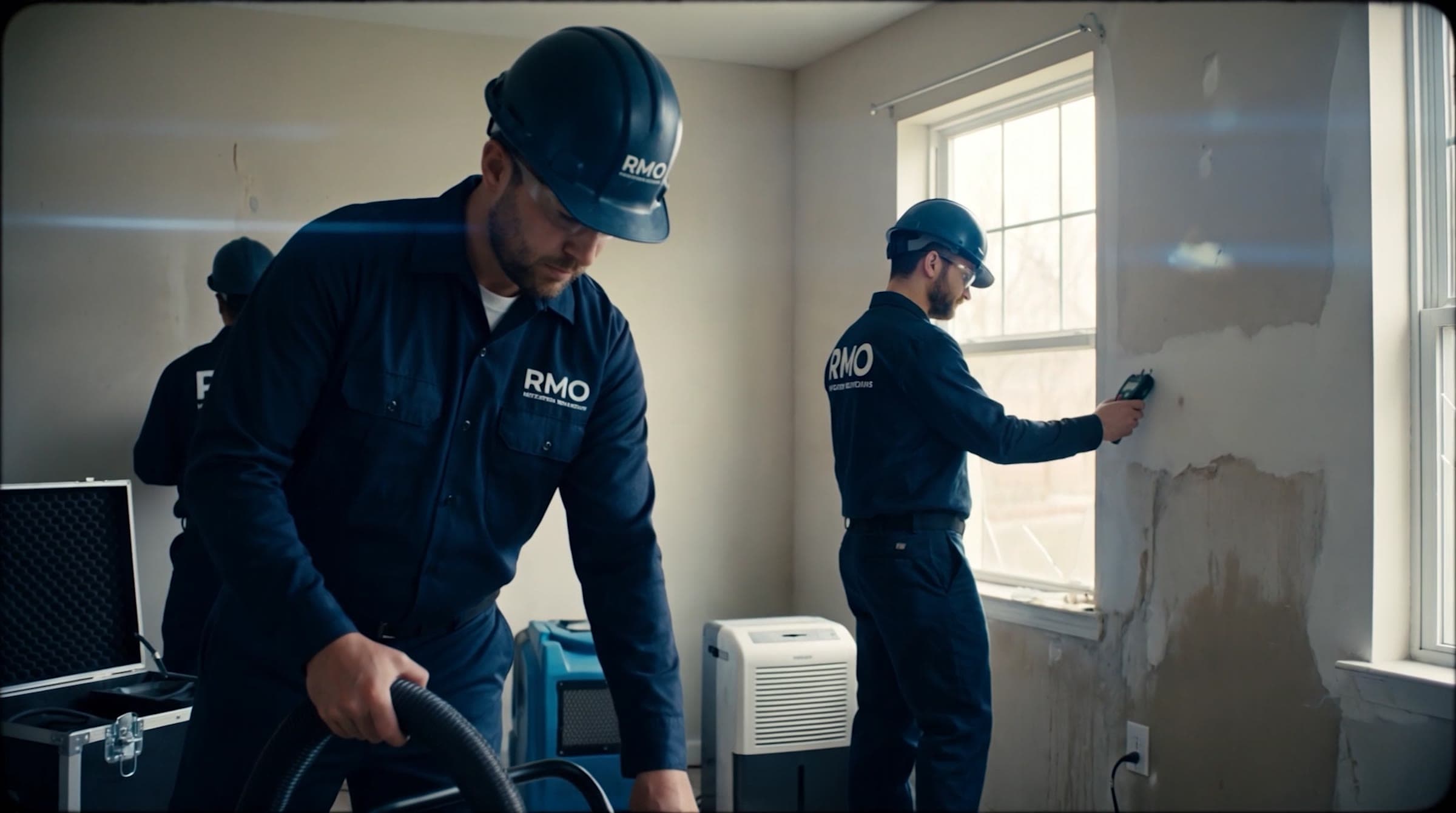
We clean from the top down: ceilings and upper framing first, then walls, then floors and subfloor. Loose residue comes off with HEPA vacuums, surfaces are wiped or scrubbed with cleaners chosen for what's on them, and areas touched by sewage are disinfected. Framing that still shows smoke staining is sealed. Then reconstruction starts on a structure that's clean, dry and documented.
Clean before it's closed
Framing, joists and subfloor are cleaned and checked before any wall or floor is covered again.
Methods matched to the residue
Soot, sewage residue, mud and tear-out dust each get their own cleaning and treatment steps.
What structural cleaning includes
Inspection and cleaning plan
We identify the residue on each surface and set the order and method for removing it.
Debris and dust removal
Loose debris, ash and tear-out dust are cleared and HEPA vacuumed from framing, ledges and cavities.
Ceilings and walls
Exposed ceiling joists, studs and the back of remaining drywall are cleaned from the top down.
Subfloor and slab
Plywood subfloor, floor joists and concrete are scrubbed before new flooring goes down.
Disinfection after contamination
Areas touched by sewage or floodwater are disinfected once the residue is off.
Sealing smoke-stained framing
Framing that still shows staining or holds odor after cleaning is sealed with a primer made for the job.
Final check before rebuild
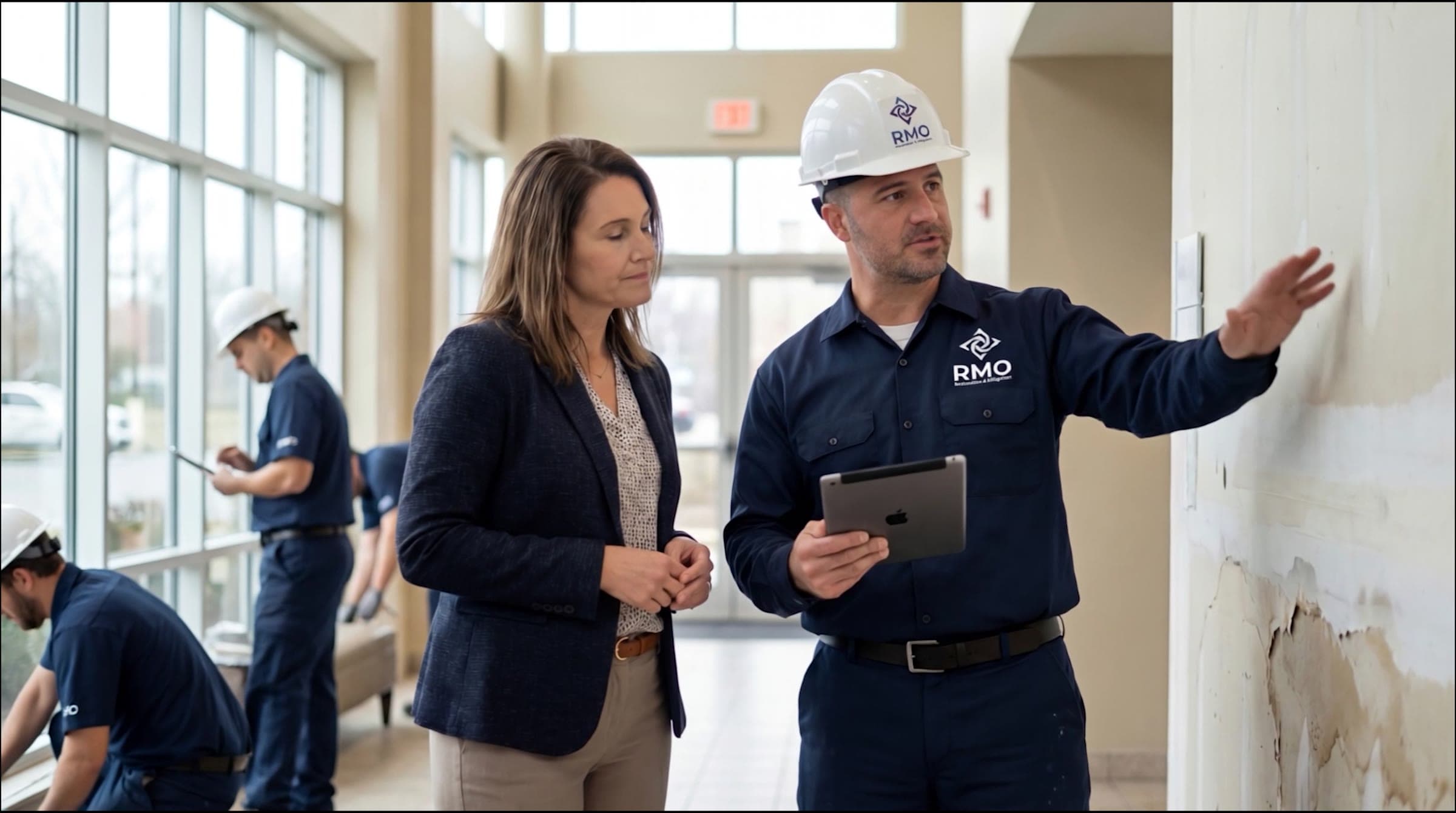
We inspect the cleaned structure, take moisture readings and photos, and hand it over for reconstruction.
When structural cleaning is needed
- Walls or ceilings opened after a fire
- Soot on exposed studs or roof decking
- Sewage reached framing or subfloor
- Silt left on the slab after a flood
- Odor coming from opened wall cavities
From your call to the last repair
One phone number and one accountable team, from the emergency to the finished repair.
Call us, day or night
A person answers 248-845-0000 at any hour and asks a few quick questions, so the right crew and equipment roll.
On site in about 60 minutes
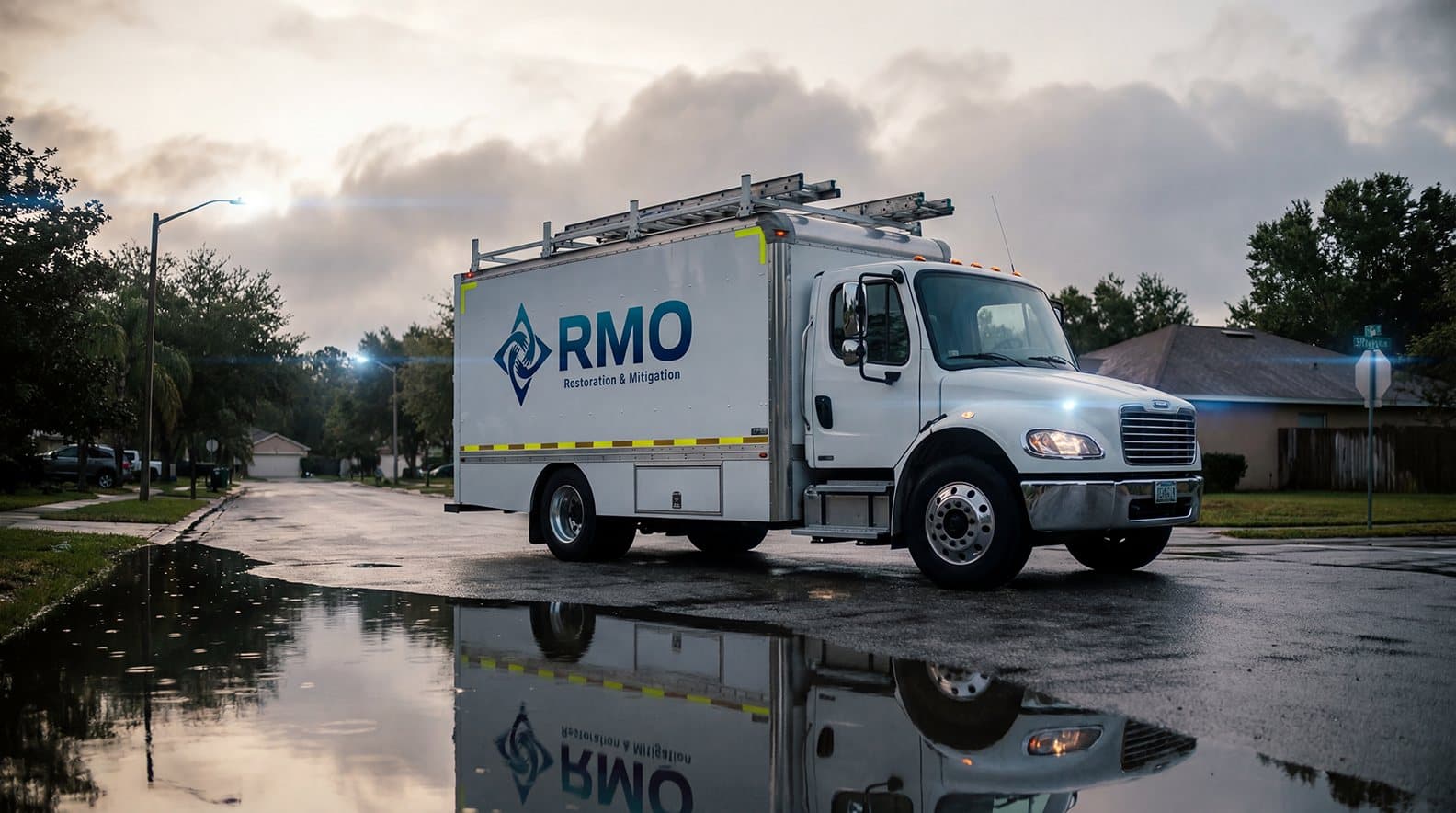
Across Metro Detroit, an IICRC-certified crew arrives, finds the source and makes the property safe.
Mitigate and document
We stop the damage, extract and dry, and record photos and moisture readings your insurer can use.
Restore and rebuild
Once everything is dry and clean, the same team handles the repairs, from drywall and flooring to finishes.
Why RMO for structural cleaning
Cleaned for our own rebuild
Because RMO also rebuilds, we clean to the standard our reconstruction work needs before a wall is closed.
Fire, water and sewage residue
Our IICRC-certified team cleans the residues fire, water and sewage leave behind, following ANSI/IICRC S500 and S700 methods.
Proof of the hidden work
Before-and-after photos show your adjuster the cleaning done behind the walls, before it's covered up.
We will work with your insurance
We will work with any insurance carrier you use. We’ve done it on claim after claim, and we take pride in it: every job is documented from the first hour and priced line by line, and we work hard so your insurance covers the whole project.
Many of our clients have saved thousands of dollars this way, and many paid nothing beyond their deductible.
How we help with insurance claims










Examples of carriers our customers use. RMO is an independent company and isn’t affiliated with or endorsed by these insurers.
Questions people ask us
Don’t see yours? A person answers 248-845-0000 around the clock.
Why can't the framing just be painted over?
Paint and primer don't bond well to soot or residue, and stains and odor can bleed through. Cleaning removes the residue first; sealing then locks in any staining that cleaning couldn't lift. Skipping the cleaning tends to show up later as odor or discoloration.
How is structural cleaning different from regular house cleaning?
Regular cleaning covers the finished surfaces you live with. Structural cleaning covers the building itself: exposed framing, joists, subfloor and the inside of wall and ceiling cavities, often with HEPA equipment, disinfectants and sealers.
Does structural cleaning happen before or after drying?
It depends on the damage. After a fire, cleaning follows debris removal. After water or sewage, contaminated materials come out and surfaces are cleaned before drying, so contamination isn't blown around, and the structure is checked again once it's dry.
We will restore your property

Related services
All residential services- Fire Damage RestorationBoard-up, water removal, soot and smoke cleanup, contents pack-out and reconstruction after a house fire.
- Smoke Damage CleanupSoot removal matched to the residue, HVAC checks and odor treatment after fires large and small.
- Sewage CleanupCleanup of sewage backups in protective gear: removal of contaminated materials, disinfection, odor control and drying.
Request a call and we’ll contact you soon
Leave your name and number and a coordinator will call you back. If water is still coming in, or there’s smoke or sewage, call now.
Call 24/7248-845-0000- A person answers 24/7
- On site in about 60 minutes
- We work with your insurer
Your details
Only your name and phone number are required.