
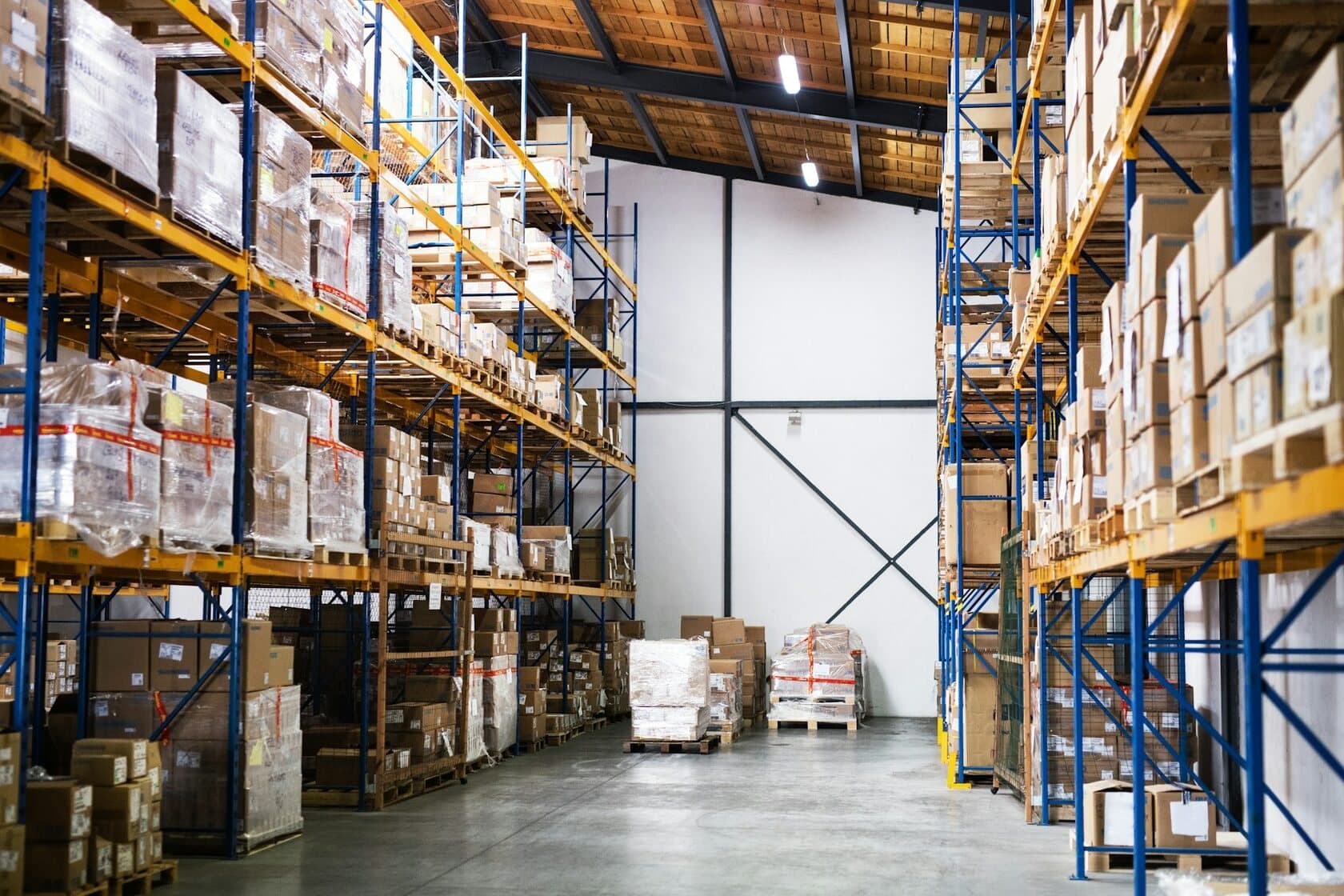
Water and fire damage restoration for warehouses and distribution centers
A broken sprinkler head or a backed-up roof drain can put water under the racking across a large floor in minutes. RMO protects the product that's still dry, removes the water and keeps the docks working.
24-hour emergency hotline248-845-0000A person answers, day or nightHow damage spreads in a warehouse
Warehouses are big, open and full of material that absorbs water. A forklift that clips a sprinkler head, a roof leak in a heavy storm or a frozen fire line can spread water across a large slab quickly. Pallets, cardboard and wrapped loads wick it up from the bottom, so the damage keeps climbing after the leak stops.
High ceilings make drying harder. Moist air collects near the roof deck, concrete slabs give water back slowly, and on a cold Michigan day the building's own temperature works against standard dehumidifiers.
Fire and smoke travel just as far. Soot settles on top of every rack, on stored goods and on structural steel, and smoke odor gets into packaging, so even a contained fire can leave a lot of stock that needs inspection.
What a warehouse needs from a restoration contractor
Inventory protection first
Dry product moved or covered before anything else, and wet product separated so the adjuster can review it.
Aisles kept clear
Drying equipment, hoses and cords placed out of forklift paths, with work zones marked and protected.
Equipment sized to the space
High-bay areas need dehumidification and air movement matched to the volume of air in the building, not just the floor area.
Shipping that continues
Docks and unaffected zones stay open, with the work phased by aisle or zone.
Restoration services for warehouses
High-volume water extraction
Water removal from large slabs, dock areas and pits, starting with the aisles that hold the most product at risk.
Large-space drying
Dehumidification and air movement for high-bay spaces, with readings on the slab, walls and offices.
Inventory separation
Moving dry product away from the water, separating damaged goods and photographing them before anything is discarded.
Fire and smoke cleanup
Soot removal from racking, structural steel, walls and ceilings, following IICRC S700, with odor treatment where needed.
Machinery and equipment cleaning
Cleaning of conveyors, packaging lines and other equipment exposed to soot or water.
Rebuild
Repair of offices, break rooms, walls and other damaged areas once mitigation is complete.
How we work in a warehouse
Zone by zone
We work aisle by aisle or zone by zone, so receiving and shipping continue wherever the floor is clear.
A daily plan with operations
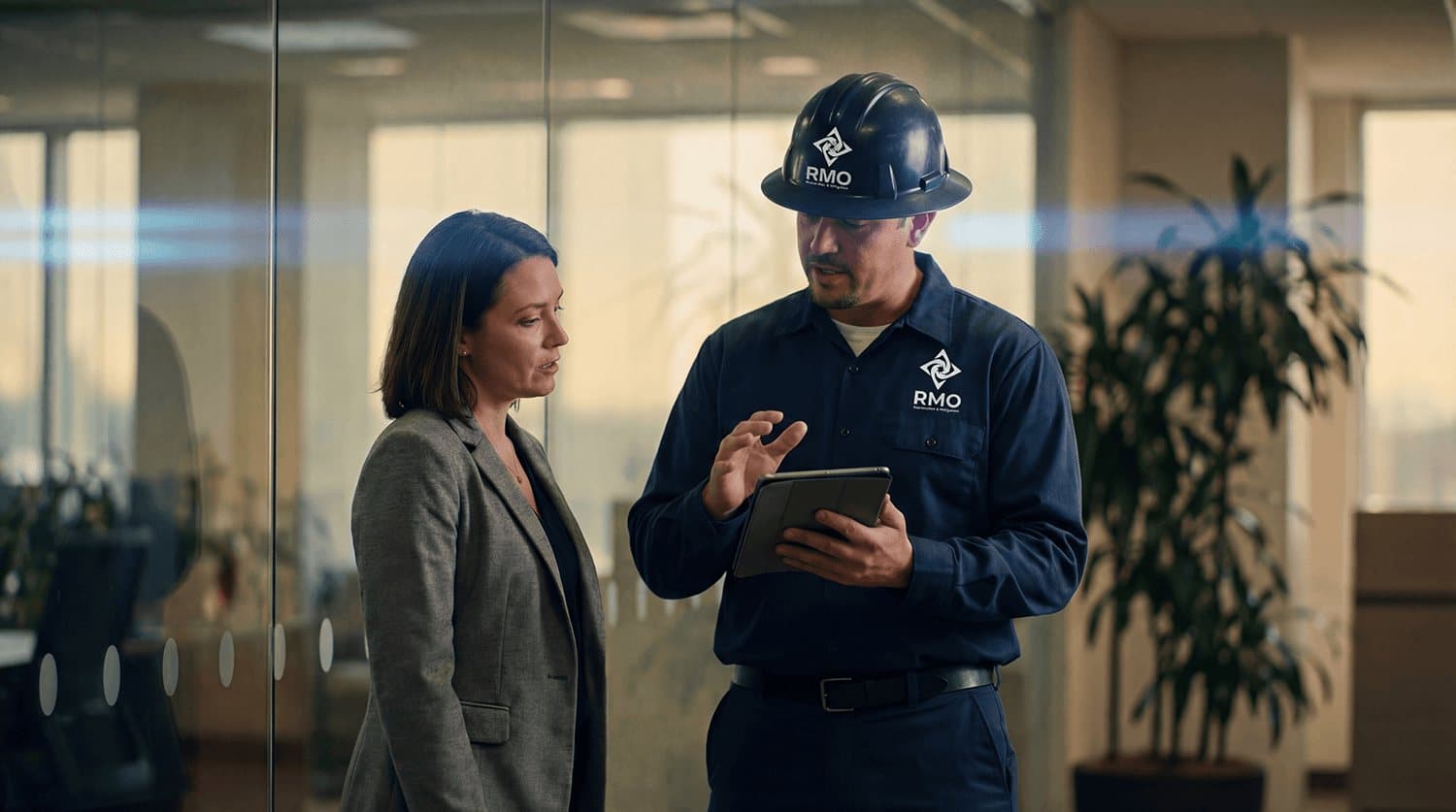
Your operations or facility manager gets a daily update on what's dry, what's next and where crews will be, so forklift traffic can be planned around them.
Documentation for the adjuster
Photos, moisture readings, drying logs and an itemized scope go to your carrier and adjuster, organized by zone so the loss is easy to follow.
From your call to the last repair
One phone number and one accountable team, from the emergency to the finished repair.
Call us, day or night
A person answers 248-845-0000 at any hour and asks a few quick questions, so the right crew and equipment roll.
On site in about 60 minutes
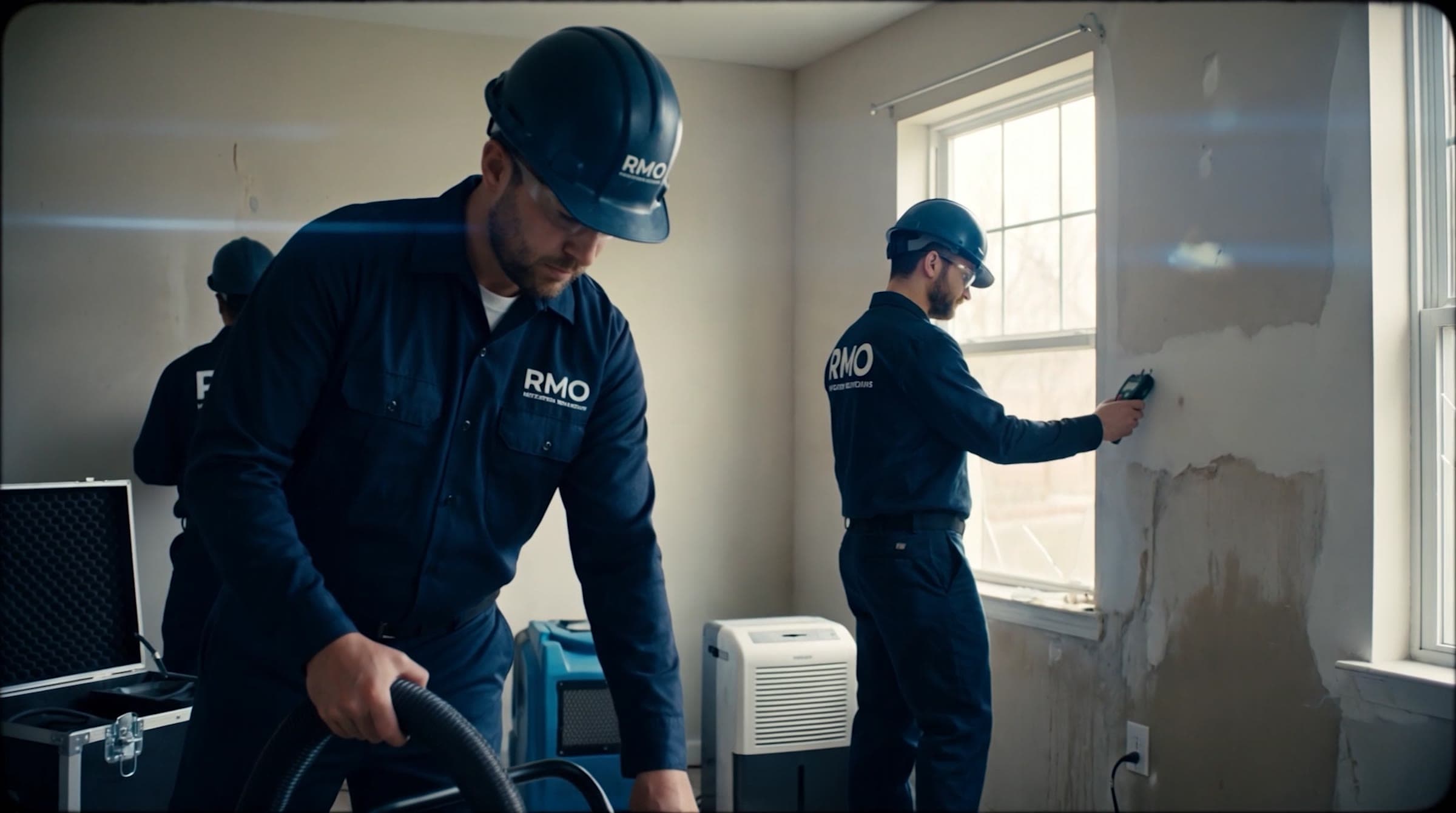
Across Metro Detroit, an IICRC-certified crew arrives, finds the source and makes the property safe.
Mitigate and document
We stop the damage, extract and dry, and record photos and moisture readings your insurer can use.
Restore and rebuild
Once everything is dry and clean, the same team handles the repairs, from drywall and flooring to finishes.
We will work with your insurance
We will work with any insurance carrier you use. We’ve done it on claim after claim, and we take pride in it: every job is documented from the first hour and priced line by line, and we work hard so your insurance covers the whole project.
Many of our clients have saved thousands of dollars this way, and many paid nothing beyond their deductible.
How we help with insurance claims








Examples of carriers our customers use. RMO is an independent company and isn’t affiliated with or endorsed by these insurers.
Questions facility teams ask
Can we keep shipping while you work?
In most cases, yes, unless the damage covers the whole floor. We mark off work zones, keep equipment away from main aisles and docks, and phase the work so unaffected areas keep running.
What happens to wet inventory?
We move dry product away from the water first, then separate wet goods and photograph them for your adjuster. What gets salvaged or discarded is decided by you and your carrier.
Why does drying a warehouse take special planning?
Tall, open spaces hold a lot of air, and drying means pulling moisture out of all of it. We size equipment to the building's volume and adjust it from daily readings, and in cold weather the plan has to account for low indoor temperatures.
Services for this kind of building
- Large Loss Flood CleanupPlanned, staged response to multi-floor and multi-building water losses, with daily reporting from one project lead.
- Water Extraction & Structural DryingHigh-volume water removal and measured drying that saves building materials and helps shorten downtime.
- Commercial Fire & Smoke RestorationBoard-up, soot and odor removal, contents cleaning and rebuild for commercial buildings after a fire.
- Machinery & Equipment CleaningMachine-by-machine cleaning and documentation for shop, kitchen, service-bay and production equipment after a fire or flood.
Request a call and we’ll contact you soon
Leave your name and number and a coordinator will call you back. If water is still coming in, or there’s smoke or sewage, call now.
Call 24/7248-845-0000- A person answers 24/7
- On site in about 60 minutes
- We work with your insurer
Your details
Only your name and phone number are required.