
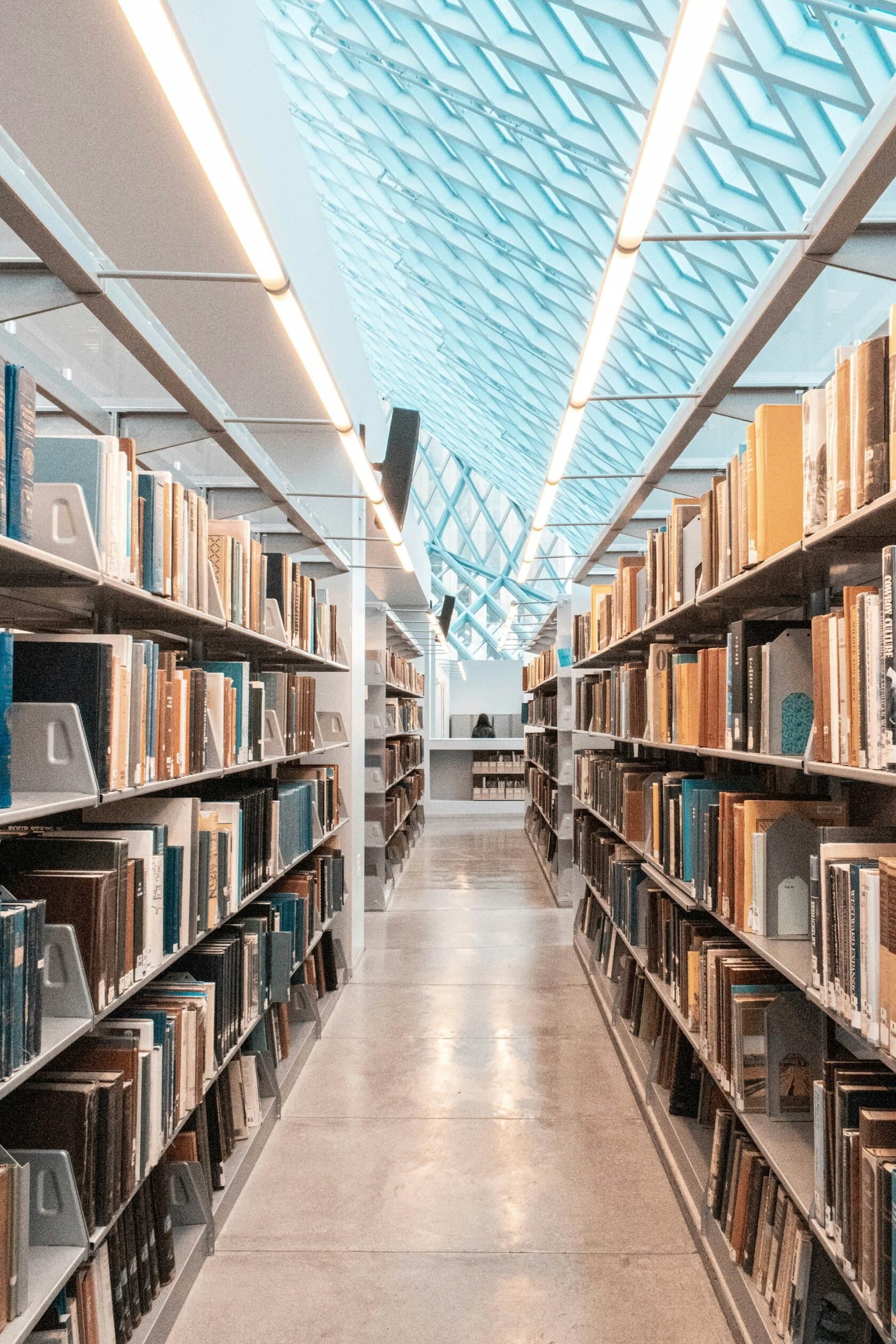
Water and fire damage restoration for libraries and archives
Wet books and records warp, stain and grow mold within days. RMO controls the building's humidity, removes the water and works under your collections staff's direction to protect what matters most.
24-hour emergency hotline248-845-0000A person answers, day or nightWhat water and fire do to collections
Paper, bindings and photographs absorb water quickly and give it up slowly. Wet books swell and warp, coated paper can stick together as it dries, and mold can grow on damp collections in warm, humid air. Even items that never touched water are at risk when the humidity in the room climbs.
That makes the building environment the first job. Removing standing water, lowering humidity and holding temperatures steady buys time for staff to sort and move materials. Drying too fast or with too much heat causes its own damage, so the drying plan is controlled and monitored.
Fire brings soot, smoke odor and the water used to put it out. Historic buildings that house archives may also have plaster walls, wood shelving and finishes that call for gentler cleaning than a modern office.
What a library or archive needs from a restoration contractor
Your priorities first
A crew that follows your disaster plan and your staff's priority list, and moves materials only as directed.
Controlled drying
Dehumidification that brings humidity down steadily, with temperature and humidity readings recorded through each day.
Careful handling and tracking
Wet materials packed, labeled and listed as they leave the shelves, so nothing is lost between the building and the recovery vendor you choose.
Gentle work in historic spaces
Drying and cleaning methods that respect plaster, woodwork and original finishes in older buildings.
Restoration services for libraries and archives
Emergency water removal
Extraction from stacks, reading rooms and lower-level storage, starting where water threatens priority collections.
Humidity and temperature control
Dehumidifiers and air movement set to bring the space down steadily, with readings logged until conditions are stable.
Collection pack-out
Packing and moving wet or at-risk materials under your staff's direction, then freezing or drying them to stop further damage.
Mold remediation
Containment and HEPA filtration to keep spores from spreading, and removal of affected building materials under IICRC S520.
Fire and smoke cleanup
Soot removal from shelving, walls and ceilings, with odor treatment, following IICRC S700.
Rebuild
Repair of walls, ceilings, flooring and shelving areas once the building is dry and collections are safe.
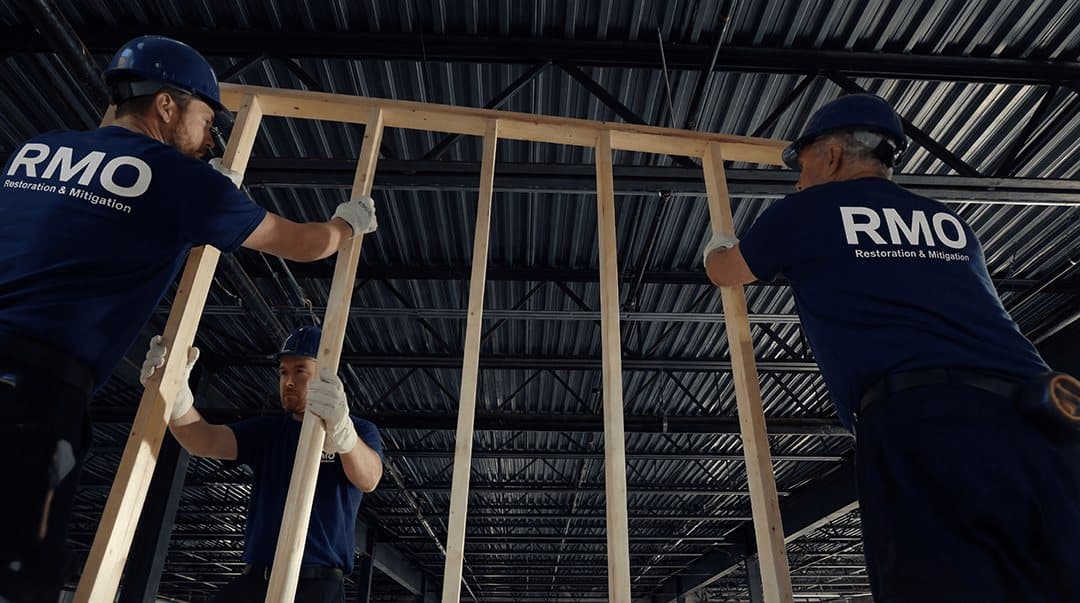
How we work with libraries and archives
Your staff set the order
Collections staff decide what moves first and where it goes. We provide the hands, the equipment and the building work.
Public areas kept open where possible
When part of the building can stay open, we contain the affected area and schedule noisy work outside public hours.
A complete record
Photos, environmental readings, drying logs, pack-out lists and an itemized scope for your institution's files and its insurance carrier.
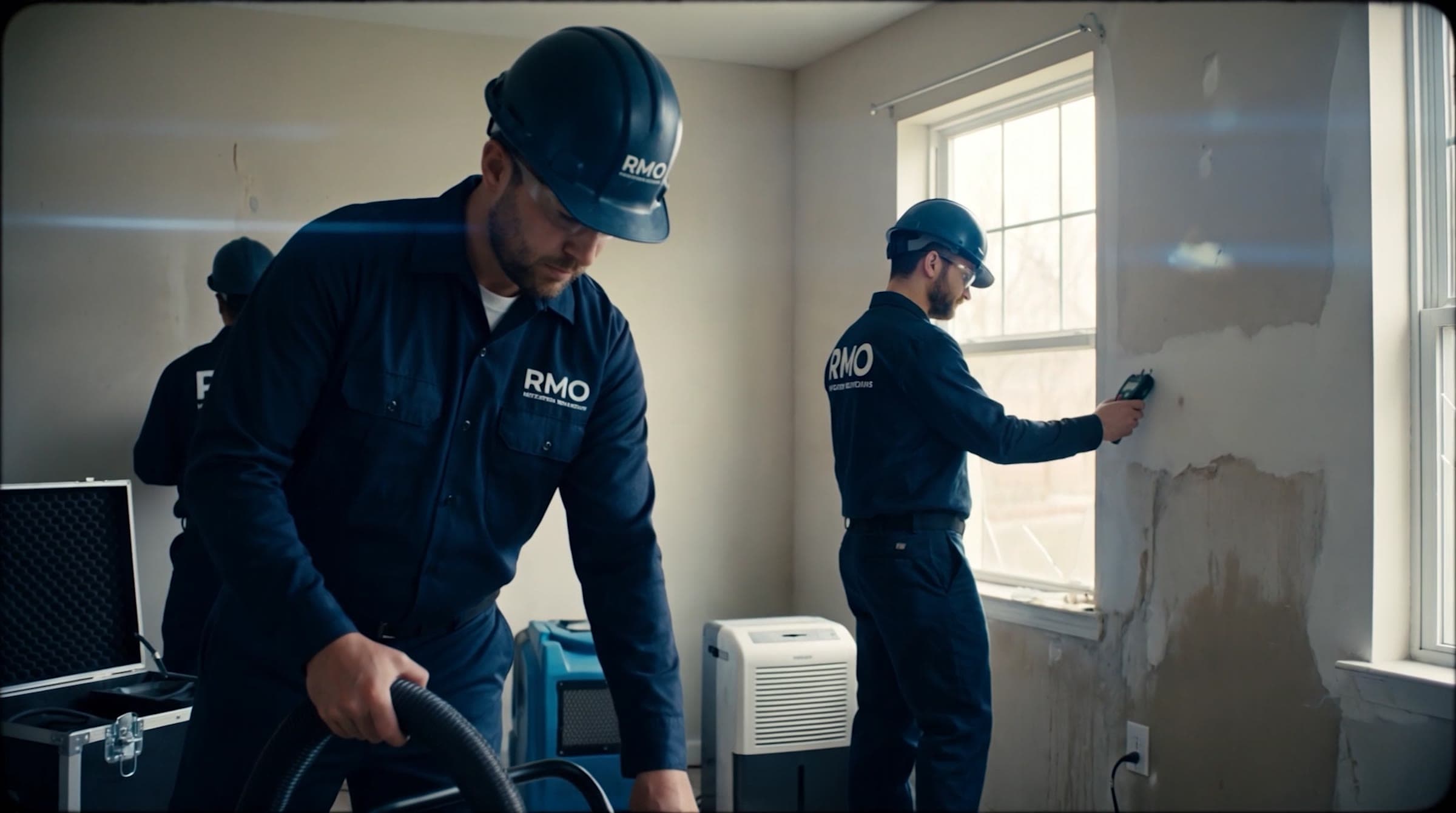
From your call to the last repair
One phone number and one accountable team, from the emergency to the finished repair.
Call us, day or night
A person answers 248-845-0000 at any hour and asks a few quick questions, so the right crew and equipment roll.
On site in about 60 minutes
Across Metro Detroit, an IICRC-certified crew arrives, finds the source and makes the property safe.
Mitigate and document
We stop the damage, extract and dry, and record photos and moisture readings your insurer can use.
Restore and rebuild
Once everything is dry and clean, the same team handles the repairs, from drywall and flooring to finishes.
We will work with your insurance
We will work with any insurance carrier you use. We’ve done it on claim after claim, and we take pride in it: every job is documented from the first hour and priced line by line, and we work hard so your insurance covers the whole project.
Many of our clients have saved thousands of dollars this way, and many paid nothing beyond their deductible.
How we help with insurance claims










Examples of carriers our customers use. RMO is an independent company and isn’t affiliated with or endorsed by these insurers.
Questions facility teams ask
Can you dry wet books and documents?
Yes. We dry and stabilize the building and its air, which protects the collections still on the shelves. Soaked books and papers are packed under your staff's direction, frozen to stop further damage, and then dried under controlled conditions.
How fast do we need to act on wet collections?
As fast as you can. Mold can start growing on wet paper within 48 to 72 hours, especially in warm, humid conditions. Freezing wet materials stops further damage and buys time to decide what to recover.
Do you work in historic buildings?
Yes. Older buildings need gentler methods, and some contain asbestos or lead paint. Suspect materials are tested before demolition and handled safely when they're found, and we plan drying and cleanup to protect original plaster, woodwork and finishes wherever they can be saved.
Services for this kind of building
- Commercial Water Damage RestorationExtraction, drying and repairs for commercial buildings, planned around tenants and operations and documented for insurers.
- Water Extraction & Structural DryingHigh-volume water removal and measured drying that saves building materials and helps shorten downtime.
- Mold Damage RestorationContained mold removal for commercial buildings, with the moisture source addressed and independent clearance testing when appropriate.
- Commercial Fire & Smoke RestorationBoard-up, soot and odor removal, contents cleaning and rebuild for commercial buildings after a fire.
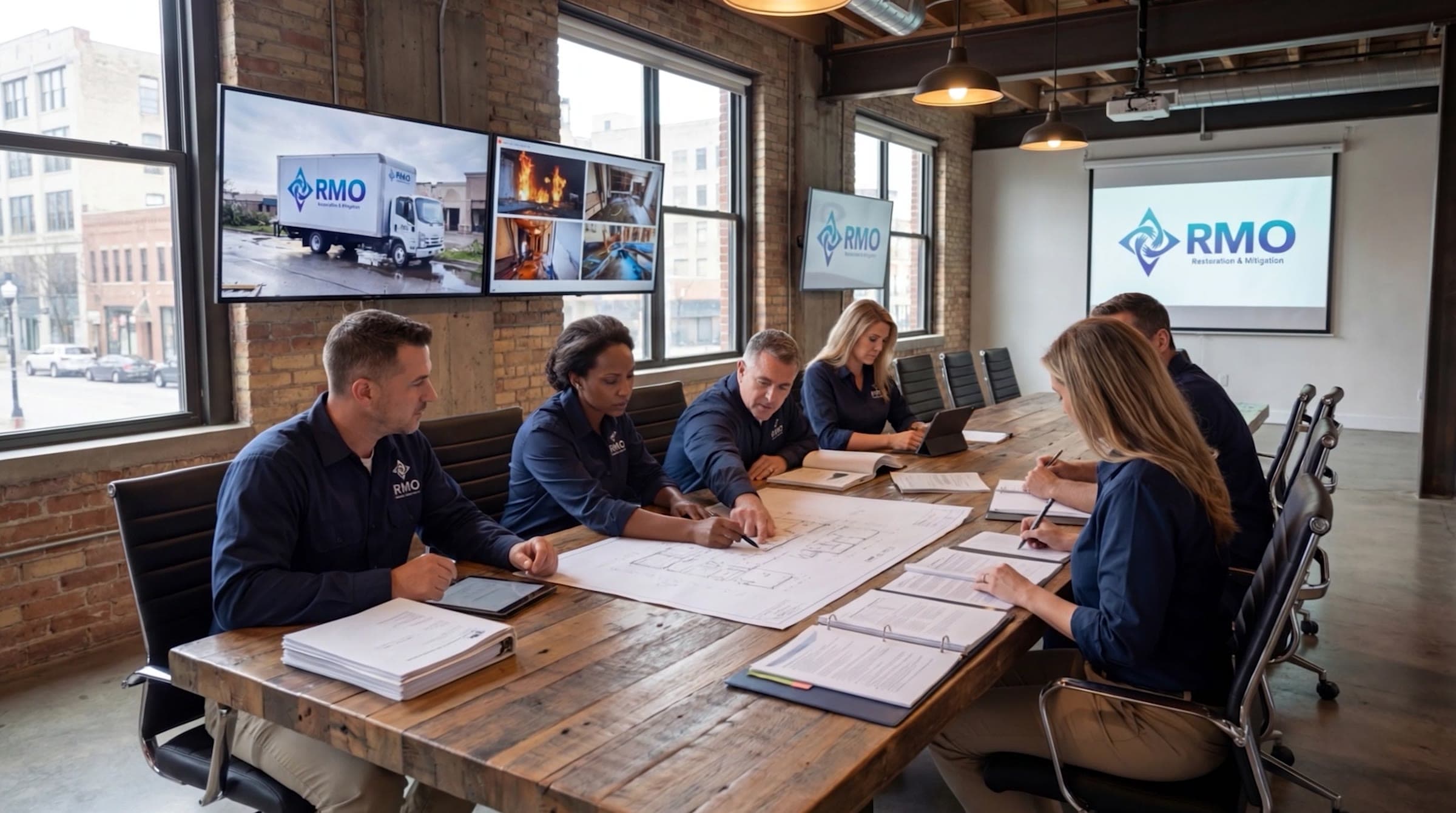
Request a call and we’ll contact you soon
Leave your name and number and a coordinator will call you back. If water is still coming in, or there’s smoke or sewage, call now.
Call 24/7248-845-0000- A person answers 24/7
- On site in about 60 minutes
- We work with your insurer
Your details
Only your name and phone number are required.