
In short: Most frozen pipes can be prevented: keep the house heated, insulate pipes in cold spaces, let a faucet drip during deep cold, and know where your main water shut-off is. If a pipe does burst, close that valve first, stay away from wet electrical equipment, and get the water out and drying started within a day or two.
Why pipes freeze here
Cold in Metro Detroit is routine, not rare. The National Weather Service's 1991 to 2020 normals for Detroit Metro Airport put January's average high at about 32°F and its average low near 19°F. Cold snaps go much further: on January 30 and 31, 2019, the airport recorded lows of 13 and 14 below zero, records for both dates.
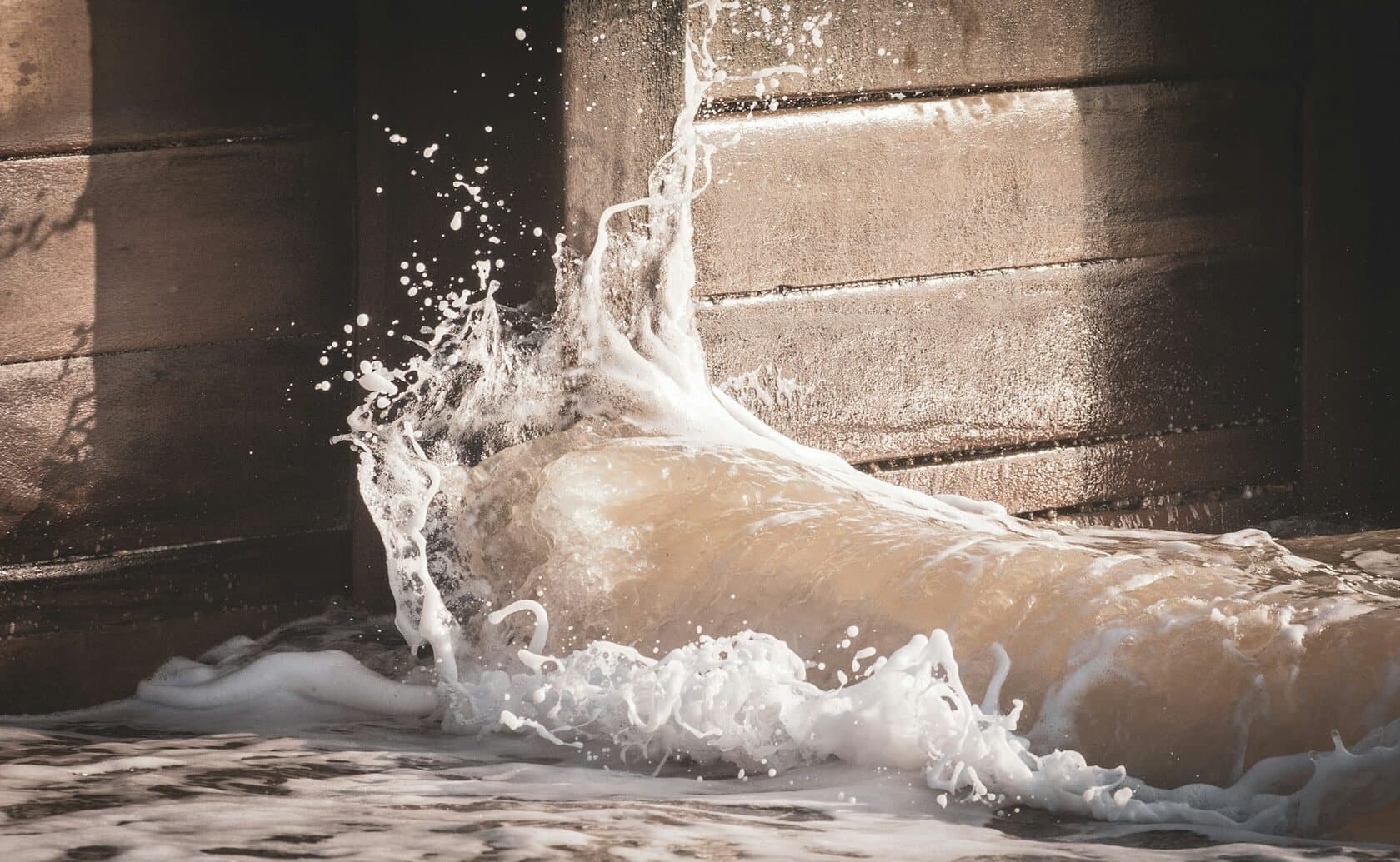
Water expands as it freezes, and the pressure can split metal or plastic pipe. The Red Cross lists the pipes that freeze most often: outdoor hose bibs and sprinkler lines, supply lines in unheated basements, crawl spaces, attics, garages and kitchen cabinets, and pipes along exterior walls with little or no insulation.
Before the first hard freeze
- Close the indoor valves that feed outdoor faucets, open the outdoor faucets to drain them, and leave them open for the winter so any water left inside has room to expand. DWSD and the Red Cross both recommend this.
- Disconnect, drain and store garden hoses.
- Insulate exposed pipes in basements, crawl spaces, attics and garages with foam pipe sleeves. The Red Cross also mentions UL-listed heat tape or heat cable, installed as the maker directs.
- Caulk around outdoor faucets and anywhere pipes come through the walls, as DWSD suggests.
- Find the main water shut-off valve, label it, and show everyone in the house how to close it. DWSD's reasoning is simple: knowing how to turn the water off quickly limits the damage when a pipe bursts.
When a cold snap hits
- Let cold water drip from faucets served by exposed pipes. The Red Cross notes that even a trickle helps prevent freezing.
- Open kitchen and bathroom cabinet doors so warm air reaches the plumbing, and move cleaning products out of children's reach while the doors are open.
- Hold the thermostat at the same setting day and night. The Red Cross points out that a somewhat higher heating bill costs much less than repairing a burst pipe.
- Keep the garage door closed if water lines run through the garage.
- Traveling? Leave the heat set no lower than 55°F, turn off the water to the washing machine and dishwasher, and ask someone to check the house during long cold spells. In Detroit, you can ask DWSD to turn off your water if you'll be away for an extended period.
If a pipe is frozen but hasn't burst
The usual sign is a faucet that gives only a trickle. The Red Cross says frozen sections are most likely along exterior walls or where the water line comes in through the foundation.
- Open the faucet that pipe feeds. As the ice melts, running water helps clear the rest.
- Warm the pipe with a hair dryer, an electric heating pad, towels soaked in hot water, or a space heater. NFPA says to keep space heaters at least 3 feet from anything that can burn and to turn them off when you leave the room or go to bed.
- Never use a torch, a kerosene or propane heater, a charcoal stove or any other open flame.
- Keep applying heat until full water pressure returns, then check every other faucet. When one pipe freezes, others may have frozen too.
- If you can't find or reach the frozen section, or it won't thaw, call a licensed plumber.
If you'd rather not thaw it yourself, a City of Detroit frozen-pipe flyer gives a cautious alternative: turn off the water at the main shut-off valve, leave the faucets open and call a plumber.
If a pipe bursts
- Close the main water shut-off valve right away.
- Keep clear of water near outlets, cords and appliances. Cut the power at the breaker only if you can get to the panel without standing in water; if you can't, call an electrician.
- Call a plumber to repair the break.
- Move belongings out of the wet area, then photograph the break, the water on floors and walls, and anything damaged.
- Call your insurance company. DIFS advises taking steps to prevent further loss and keeping the receipts for supplies you buy to do it.
- Start drying the same day.
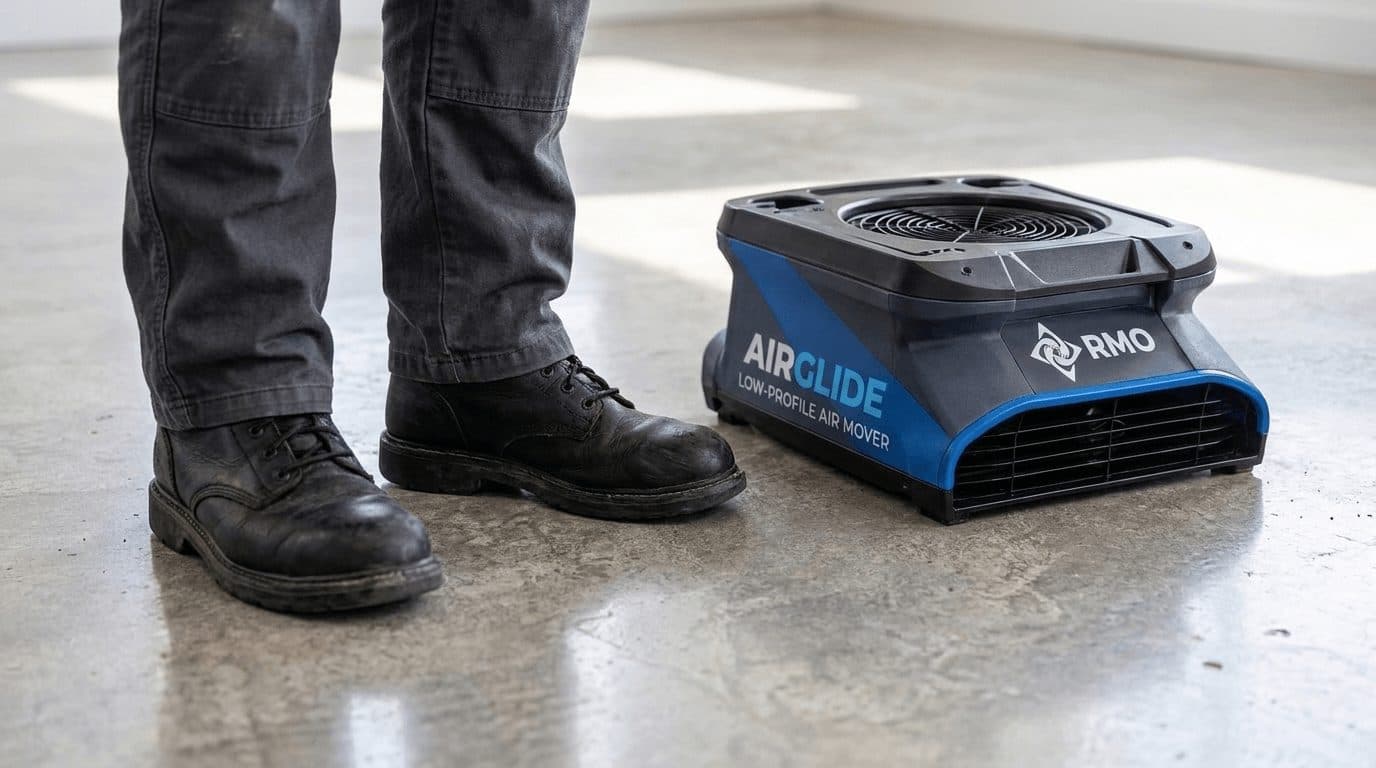
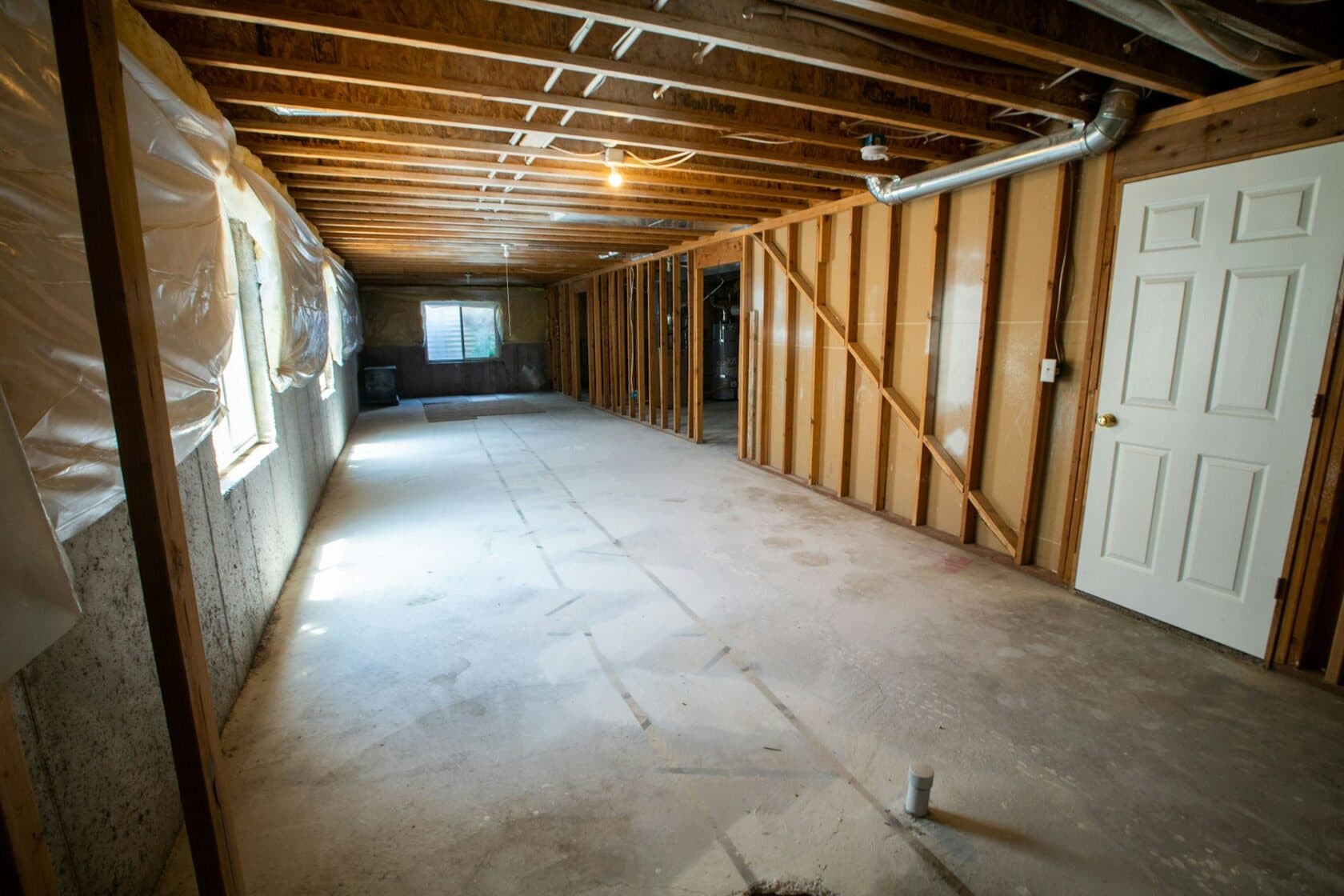
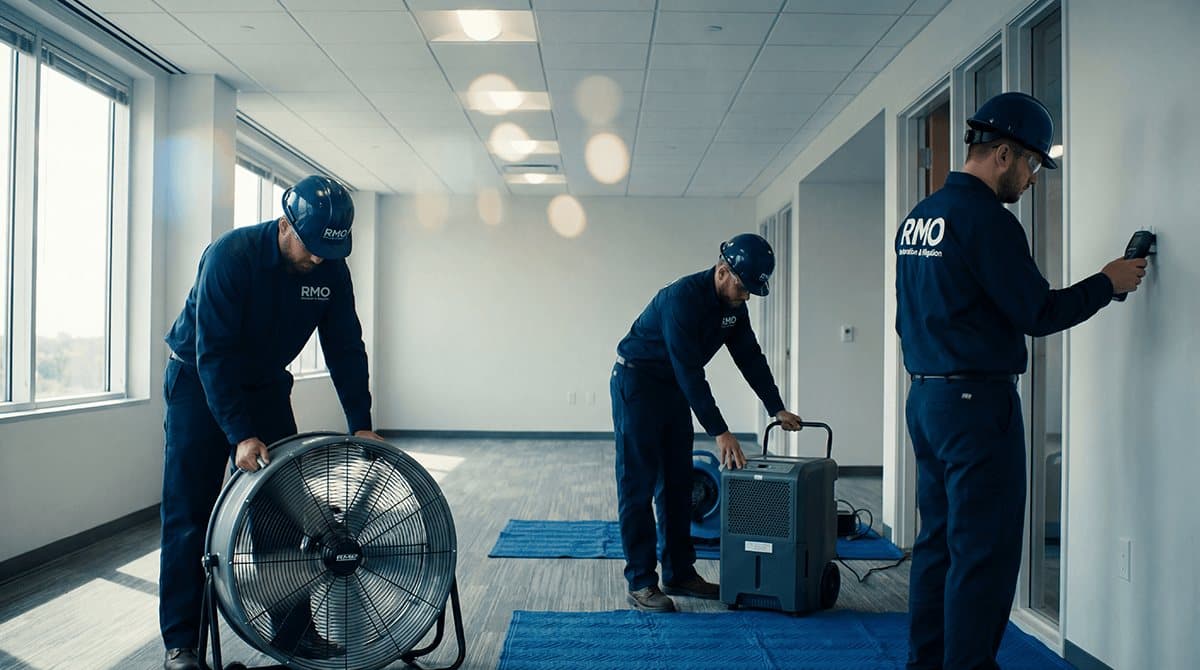
Water from a burst pipe doesn't stay where you can see it. It can run inside wall cavities, under flooring and into the ceiling below. EPA's advice is to dry wet materials within 24 to 48 hours to keep mold from growing, and that includes the hidden ones. Professional drying uses moisture meters and thermal imaging to find that water, then extraction, dehumidifiers and air movers to remove it, with readings taken until the materials are dry.
Ten minutes with a flashlight and some pipe insulation in November can spare you a wet basement in January.
Sources
- American Red Cross: Frozen pipes
- DWSD: Water and sewer tips (avoid frozen pipes)
- City of Detroit: Preventing frozen pipes (PDF)
- National Weather Service Detroit: January records and 1991 to 2020 normals
- NFPA: Heating safety
- American Red Cross: Checking your home's utilities, systems and household items
- Michigan DIFS: Insurance tips and resources following severe weather (March 17, 2026)
- EPA: A brief guide to mold, moisture and your home