
In short: Twelve years ago today, on August 11, 2014, 4 to 6 inches of rain fell in about four hours over the hardest-hit parts of Metro Detroit. The National Weather Service says Wayne, southern Oakland and Macomb counties saw the worst of it, and it later put direct flood damage at about $1.8 billion. The lesson most homeowners took from it is simple: when the sewers fill, the water comes up through the basement floor, and the houses that fared best were the ones protected before the storm.
What happened
| Storm | Rain | What it did |
|---|---|---|
| August 11, 2014 | 4 to 6 inches in about four hours | The worst flooding in Wayne, southern Oakland and Macomb counties; about $1.8 billion in direct flood damage |
| June 25 and 26, 2021 | 3 to 6 inches in 24 hours over most of Metro Detroit | Flooded basements reported throughout the morning of June 26 |
According to the Weather Service, the 2014 storm came from a low-pressure system moving over the area while the atmosphere was very moist: heavy, continuous rain. It didn't have to flood rivers to flood homes. Rain that fast overwhelms storm drains and sewers, and water finds the lowest place it can, which in most Metro Detroit houses is the basement. Two storms that size in seven years is why we treat basement protection as maintenance, not a remodeling project.

Why basements flood here
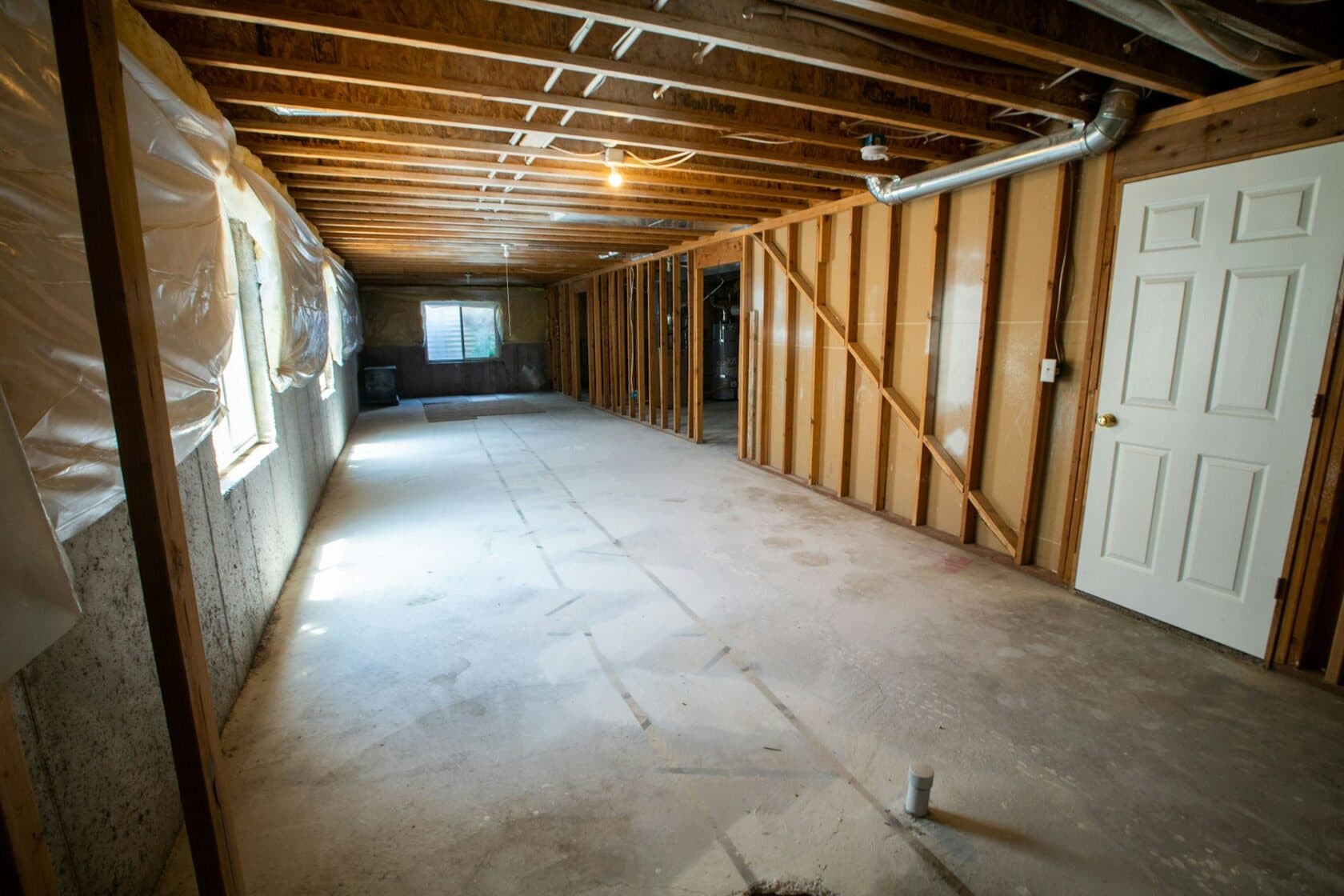
The Detroit Water and Sewerage Department gives three reasons basements are prone to flooding: they sit below ground, where water seeps; foundation drain tiles fail when they aren't maintained; and the sewer lateral that carries sewage from the house can fail and back up. In a hard rain, all three can happen at once.
Five lessons from 2014
Keep roof water out of the sewer
DWSD recommends disconnecting downspouts from the sewer. Every gallon from the roof that soaks into a lawn isn't competing for the pipe your basement drains into.
Give the sewer a one-way door
Where a house has a history of backups, DWSD recommends a backwater valve and, where needed, a sump pump, with a battery backup for when the storm takes the power too.
Check your insurance before the storm
DIFS notes that backup coverage isn't automatic, and that flood damage is typically excluded and needs separate flood insurance. Many 2014 claims turned on those two lines.
Nothing valuable on the basement floor
Photos, documents and electronics belong upstairs or in sealed bins on shelves. A few inches of water ruin what sits on the floor.
Speed decides the size of the job
EPA's guidance is to dry within 24 to 48 hours. A basement extracted and drying on day one usually needs far less torn out than one that sits wet for a week.
If it happens tonight
Stay out until the power is off
And don't touch wet electrical equipment.
Assume it's sewage
Water that came up through a floor drain: boots, gloves, and children and pets upstairs.
Photograph, then call your insurer
Before you move anything, then report water damage.
Report the backup to your city
The same day. If a public sewer caused it, Michigan law gives you 45 days to file written notice of a claim.
Get extraction and drying started
Within a day, to keep mold out of the picture.
Sources
- National Weather Service Detroit: August 11, 2014 historic rainfall
- National Weather Service: Water Year 2014 flood loss summary (PDF)
- National Weather Service Detroit: Metro Detroit flooding, June 26, 2021
- DWSD: Basement backup and flood protection
- City of Detroit: Basement Backup & Flooding Handbook
- Michigan DIFS: Water and sewer backup coverage (PDF)
- Michigan DIFS: Disaster preparedness and recovery
- EPA: A brief guide to mold, moisture and your home