
In short: In a Michigan summer, warm, humid air meets a cool basement and condenses on pipes, walls and floors, and that steady dampness is enough to grow mold. Keep indoor humidity below 60 percent, ideally between 30 and 50 percent, as EPA recommends: run a dehumidifier in the basement, keep air conditioning drains clear, and fix condensation and leaks quickly. If mold covers more than about 10 square feet, or came from a water leak, it's a job for professionals.
Why August is mold season below ground
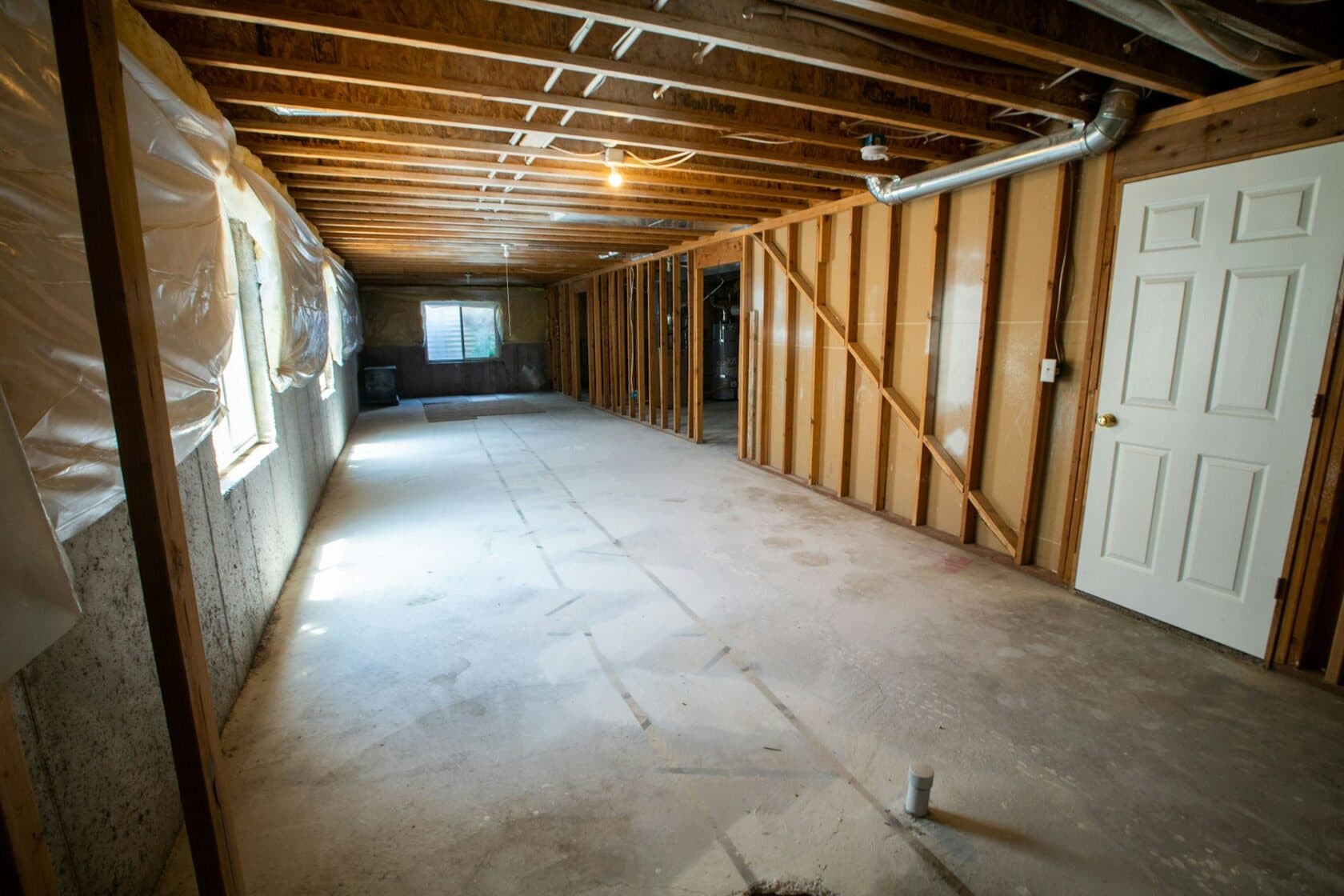
Mold needs moisture. Basements stay cool in summer, and when warm, moist air reaches cold surfaces it gives up its water as condensation. EPA lists the places it shows up: cold water pipes, windows, exterior walls and floors. Add a slow leak, a damp foundation wall or a clogged air conditioning drain, and you have the conditions mold needs. EPA's guidance is that if wet or damp materials are dried within 24 to 48 hours of a leak, in most cases mold won't grow; the problem is dampness that never quite goes away.

Signs to look for
A musty smell
Especially when you first open the basement door.
Sweating pipes, or rust
Rust on pipes and fittings is a sign condensation is happening, EPA notes.
Condensation on walls
Or on windows, or white, chalky deposits on foundation walls.
Spots and staining
On drywall, wood, boxes, or anything stored on the floor.
Water around the AC
In the drip pan, or around the furnace and air conditioning unit.
Keeping it dry
When you find mold
| What you find | Who should handle it |
|---|---|
| A patch smaller than about 10 square feet (roughly 3 by 3 feet) | Usually you, following EPA's guidance: fix the moisture first, scrub hard surfaces with detergent and water, dry completely |
| More than 10 square feet, or after a lot of water damage | Professionals, with containment: EPA points to its guide for commercial buildings |
| Mold in the air conditioning or ductwork | Professionals |
| Mold from sewage or contaminated water | Professionals |
| Anyone in the house with asthma, allergies or a weakened immune system | Professionals |
Porous materials such as ceiling tiles and carpet that are moldy may need to be thrown away. Michigan's health department says mold growing indoors needs to be cleaned up so it doesn't cause health problems, and it doesn't recommend testing for mold.
What humidity should my basement be?
Below 60 percent, ideally between 30 and 50 percent, as EPA recommends. A small meter tells you where you stand.
Should I test for mold?
Michigan's health department doesn't recommend it. If you can see or smell mold, the job is to fix the moisture and clean it up.
Can I bleach it?
On hard surfaces, EPA's guidance is detergent and water and drying completely. Porous materials that are moldy may need to be thrown away, and large areas are a job for professionals.