
In short: Stay out until the fire department clears the house. Once it does, use the first visit for safety checks, photos, securing the house and throwing out food and medicine the smoke reached. Leave the scrubbing for later. Soot spreads when it's cleaned the wrong way, and smoke odor comes from residue that has to be removed, not covered up.
Before you step inside
- Wait for clearance. The Red Cross and the U.S. Fire Administration both say to stay out until fire officials say the home is safe. Don't cross tape placed over doors or windows, and if a building inspector has posted a sign, find out what it means before entering.
- Leave the utilities to the professionals. The U.S. Fire Administration explains that firefighters make sure water, electricity and gas are safe, or have them turned off before they leave. Don't turn them back on yourself.
- Walk around the outside first, looking for loose power lines, damaged gas lines and foundation cracks. If a door is jammed, don't force it, because it may be holding up part of the structure.
- If you smell gas or hear a hissing noise, get out and well away, then call the fire department.
- Leave children and pets with someone else for the first visit.
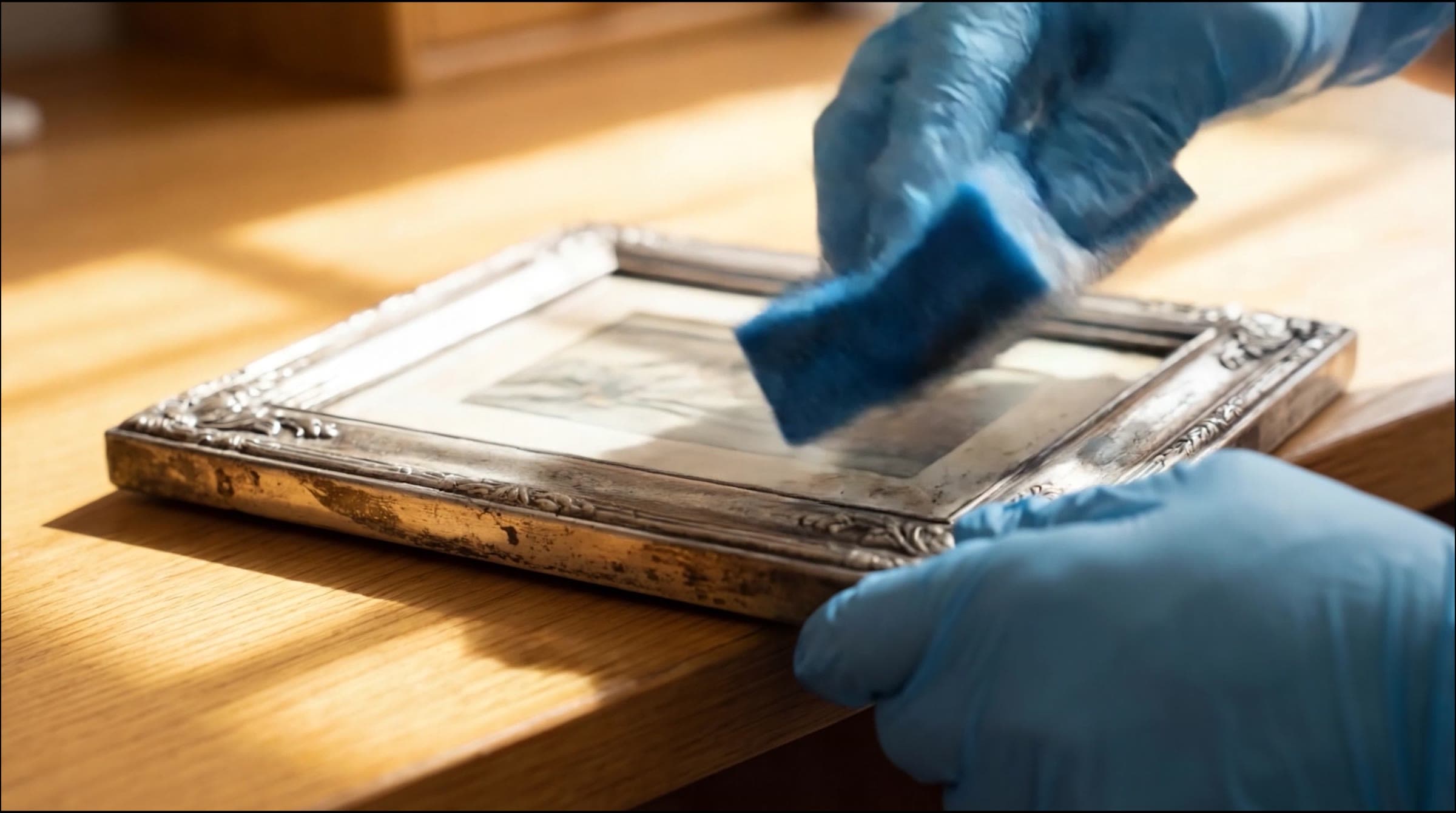
Safe things to do on the first visit
- Photograph every room and the outside of the house before anything is moved.
- Write down the fire department's name and the incident report number. The U.S. Fire Administration's After the Fire booklet includes a page for this information.
- Call your insurance company and ask what to do first. The U.S. Fire Administration also suggests asking whether you or your insurer will pay for cleaning, and getting any cleaning estimate in writing.
- Secure the house. You may need to board up windows and doors, and the U.S. Fire Administration suggests telling the police the home will be empty. DIFS counts boarding up or covering damaged property among the reasonable steps a policyholder takes to limit a loss.
- Throw away food, drinks and medicine exposed to heat, smoke or soot. The Red Cross says frozen food can be kept only if it still has ice crystals.
- Look for important papers. The U.S. Fire Administration's list of documents to find or replace includes driver's licenses, insurance policies, titles and deeds, passports and medical records.
- Open windows to ventilate if the weather is dry.
- Keep every receipt for money you spend because of the fire.
Protect yourself while you're there
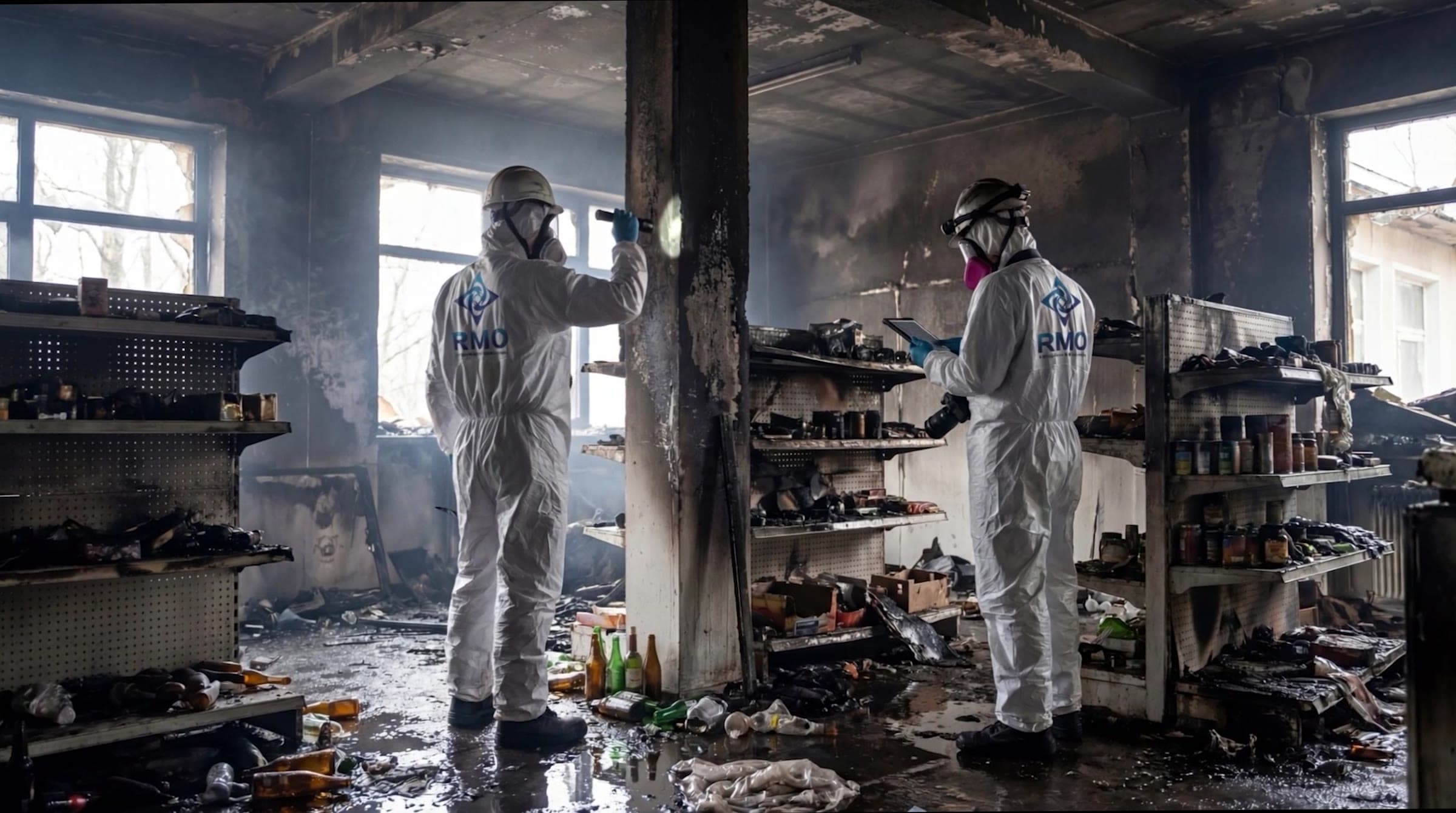
The U.S. Fire Administration warns that soot and the dirty water left behind may contain things that can make you sick. EPA's advice for working around fire ash fits here: work gloves, long sleeves, long pants, sturdy shoes and goggles, plus a NIOSH-approved N95 or P100 respirator that seals to your face. EPA notes that surgical masks and one-strap dust masks won't protect your lungs, and that people with heart or lung disease, older adults and pregnant women should not take part in ash cleanup.
Why soot needs professional cleaning
Smoke reaches far beyond the flames. The U.S. Fire Administration notes that belongings the fire never touched may still be ruined by smoke or soaked by the water used to put it out, and that anything you want to keep will need careful cleaning.
- The wrong method spreads it. EPA advises against dry sweeping and dusting, which kick fine particles back into the air. Dry methods such as HEPA vacuuming or dry soot sponges suit thick deposits and absorbent materials, while damp wiping or mopping can work for light deposits or materials that don't absorb water.
- Ordinary vacuums can blow it around. EPA recommends a HEPA vacuum, because a typical household or shop vacuum can release what it collects back into the air.
- Firefighting water does its own damage. The Red Cross advises consulting a professional about drywall and insulation soaked by fire hoses, and EPA notes that mold may be present where water was used to put out a fire.
- Some situations need a specialist. EPA suggests professional help if the heating and cooling system is affected, if there's structural damage or hazardous material, or if the cleanup is more than you can manage.
Restoration crews start by testing surfaces, because residue varies with what burned and each material needs its own cleaning method. Contents are inventoried, and items worth saving can be packed out and cleaned off site while the structure is cleaned, sealed where needed and repaired.
Smoke odor: remove the source first
Smoke odor lives in the residue on walls, ceilings, fabrics, insulation and ductwork. EPA ranks source control as the most effective way to improve indoor air, and odor work follows the same logic: clean the soot, remove what can't be cleaned, and clean the ducts if smoke reached them. The Red Cross notes that smoke is difficult to fully remove from soft items, and clothing may need several wash cycles.
Don't buy or rent an ozone generator to run yourself. EPA warns that ozone can damage the lungs and that no federal agency has approved these devices for occupied spaces. Where high levels of ozone are used in fire restoration, EPA says the space should be unoccupied and conditions controlled so no person or pet is exposed, and it notes that ozone can damage rubber, wire coatings, fabrics and artwork.
Go slowly on that first visit; much of what a fire leaves behind is hard to see.
Sources
- American Red Cross: Recovering after a fire
- American Red Cross: Checking your home after a fire
- American Red Cross: Cleaning up after a fire
- American Red Cross: Disaster cleanup and repair for your home
- U.S. Fire Administration (FEMA): After the Fire (PDF)
- EPA: Protect yourself from ash
- EPA: Ozone generators that are sold as air cleaners
- Michigan DIFS: Homeowners insurance policies, how to claim what is yours (PDF)