

In short: Most water damage claims follow the same path: you report the loss, take reasonable steps to stop more damage, document what happened, meet an adjuster, and agree on a scope of repairs. What your policy pays depends on its wording and on where the water came from, so no contractor or article can promise coverage. What you control is how quickly you act and how complete your records are.
This guide is general information, not legal advice. For questions about your rights, the Michigan Department of Insurance and Financial Services (DIFS) has a consumer hotline at 877-999-6442, open 8 a.m. to 5 p.m., Monday through Friday.
1. Report the loss promptly
First on DIFS's list of a policyholder's responsibilities after a loss: notify your insurance company or agent as soon as possible. Have your policy number ready and write down the claim number you're given. From then on, log every call and visit: the date, the time, who you spoke with and what was said. DIFS offers a free Insurance Claims Tracking Sheet for exactly this.
Describe the damage carefully. DIFS suggests telling your insurer that you have water damage and want to find out what coverage applies, rather than simply calling it a flood. In a policy, the word flood can have a specific meaning, and other causes, such as rain getting in during a storm, a sewer backup or a failing sump pump, may be covered under the policy.

2. Prevent further damage, and keep the receipts
DIFS's list continues: take reasonable action to minimize the loss, such as boarding up or covering damaged property. With water, that means stopping the source, removing standing water and starting to dry the structure. Keep receipts for supplies and emergency services, since they show what you spent protecting the property.
DIFS also recommends contacting your insurer before hiring a contractor, and checking the contractor's licenses, references and insurance. It warns that after severe weather, fraudsters posing as adjusters or contractors often go door to door offering repairs that are never finished or are done poorly.
3. Document before anything is thrown away
- Photos and video of every affected room, wide shots and close-ups, including water lines on walls and furniture.
- Make, model and serial numbers of damaged appliances and electronics.
- A list of damaged belongings with quantities, descriptions and values. DIFS says policyholders must give the insurer an inventory of damaged personal property.
- Samples of materials removed for health reasons, such as a piece of carpet or pad.
Don't get rid of damaged items until your insurer tells you to, DIFS advises. If something has to go sooner for safety, photograph it first, keep a sample and tell your adjuster.
4. Know what kind of water loss you have
Coverage often turns on the source of the water. DIFS makes these points for Michigan consumers:
- Flood damage is not covered under a standard homeowners policy. Flood insurance is separate, through the National Flood Insurance Program or a private insurer, and Ready.gov notes that a new flood policy typically takes up to 30 days to go into effect.
- Water and sewer backup coverage is not automatic. It is added to a homeowners or renters policy, and it pays only up to the limit you chose.
- Backup coverage typically does not pay for flood damage or for repairing or replacing a broken sump pump.
The City of Detroit's flood handbook is blunt about basements: in most cases, flooding damage there isn't covered unless the homeowner has overland flood insurance and a sewage backup rider. Look at your declarations page now, before you need it.
5. Meet the adjuster
Once your claim is submitted, your insurer assigns a claims adjuster. DIFS reminds consumers that claims adjusters work for and are paid by the insurance company, and should never ask you to pay for their services under your policy. Walk the property together, share your photos and records, and ask what happens next and when.
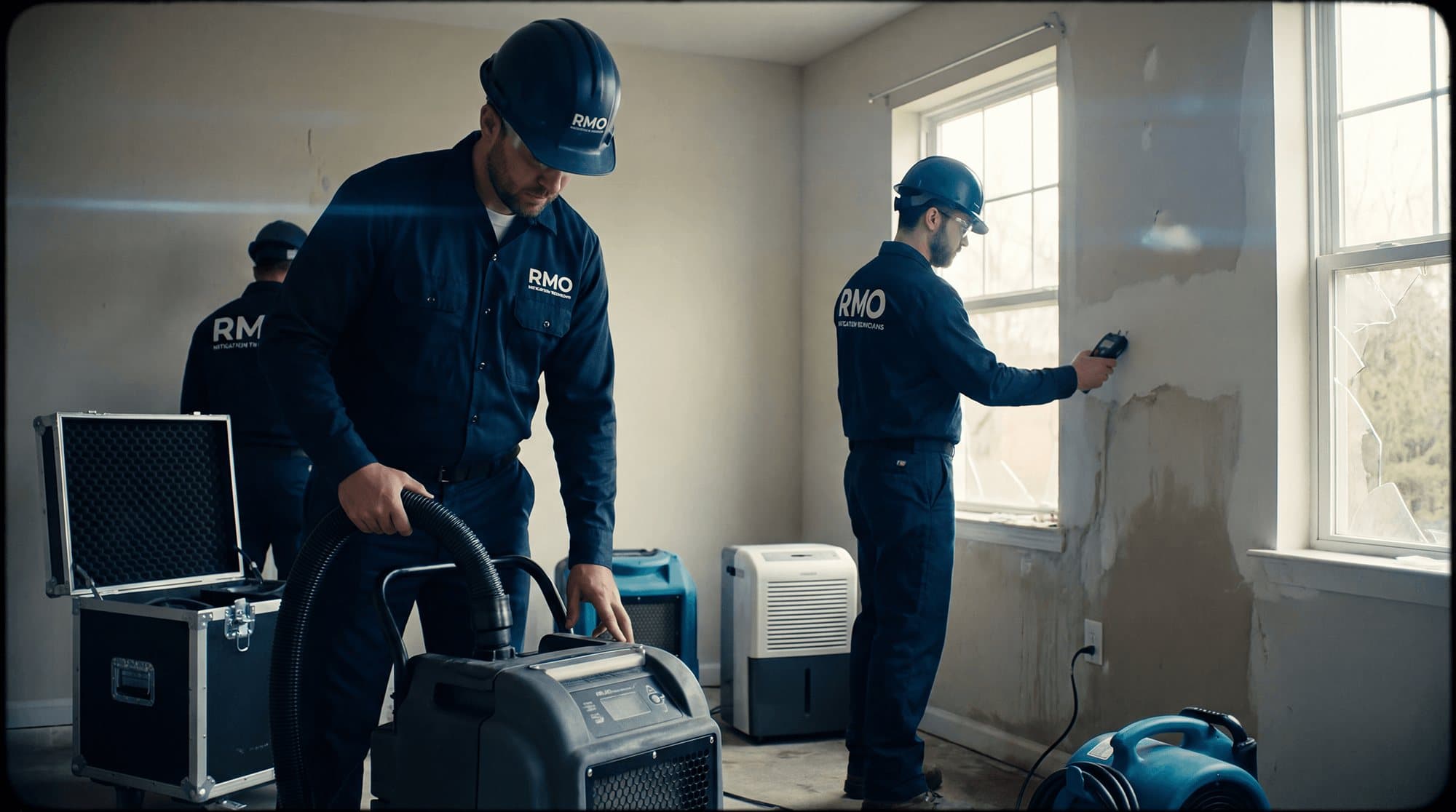
Your restoration contractor's records help the adjuster see what you saw. Moisture readings from the first day and each day after show where the water went and when the structure was dry. Drying logs and photos show what was done and why.
6. Read the scope line by line
The scope is the itemized list of work: what gets removed, dried, cleaned, repaired or replaced, and how much of each. The adjuster writes an estimate and your contractor writes a scope, and the two should be compared room by room. FEMA's flood claims checklist tells policyholders to review the adjuster's estimate carefully and work with the adjuster to correct mistakes. Under a National Flood Insurance Program policy, you can also request an additional payment if you find more damage later; under other policies, ask your adjuster how to report it.
Deadlines worth knowing
- Insurer response: DIFS's consumer guide says your insurer must tell you, within 30 days of your claim, what information it needs to process it. The guide also says a claim not paid within 60 days after the insurer receives proof of loss is considered overdue, and interest is owed on it.
- Flood insurance: FEMA's checklist says to submit all required documentation within 60 days of the flood, or within the timeframe your adjuster or insurer gives you.
- Detroit sewer backups: if the backup came from the city system, DWSD says you may file a claim within 45 days of discovering it. Call DWSD at 313-267-8000 first to report it and get the Service Request number the claim requires.
If you disagree with a decision
DIFS encourages consumers to try to resolve a dispute directly with the insurance company first. If that fails, DIFS says it can help when an insurer isn't paying a claim in a timely way or is unfairly denying it. You can file a complaint online through DIFS or by phone at 877-999-6442.
Good records can't change what a policy covers, but they make it far easier to show what happened.
Sources
- Michigan DIFS: Flood
- Michigan DIFS: Insurance tips and resources following severe weather (March 17, 2026)
- Michigan DIFS: Homeowners insurance policies, how to claim what is yours (PDF)
- Michigan DIFS: Water and sewer backup coverage (PDF)
- Michigan DIFS: Insurance claims tracking sheet (PDF)
- Michigan DIFS: File a complaint
- FEMA FloodSmart: NFIP claims checklist for policyholders
- Ready.gov: Floods
- City of Detroit: Basement Backup & Flooding Handbook
- DWSD: Damage claims and sewage backups