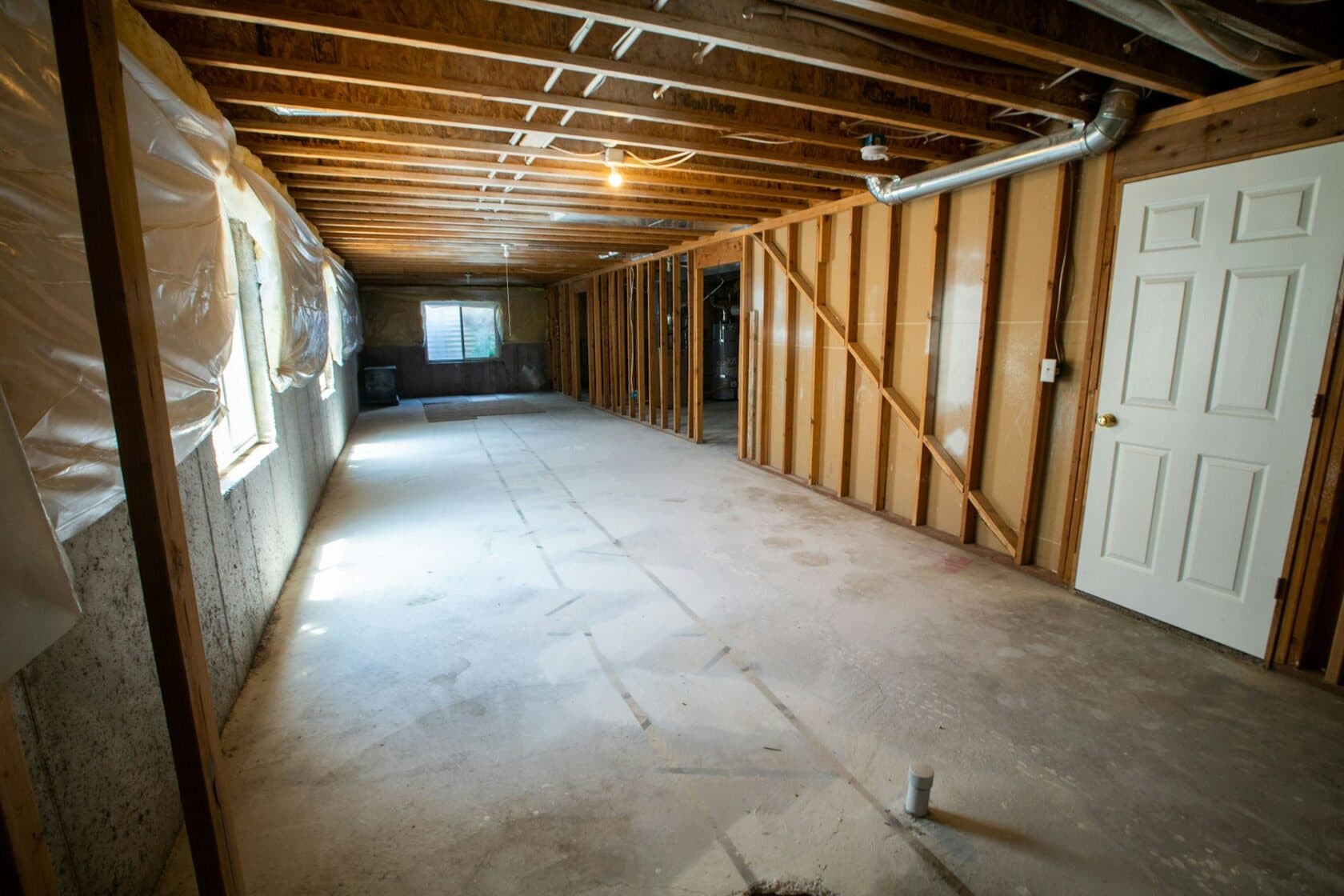
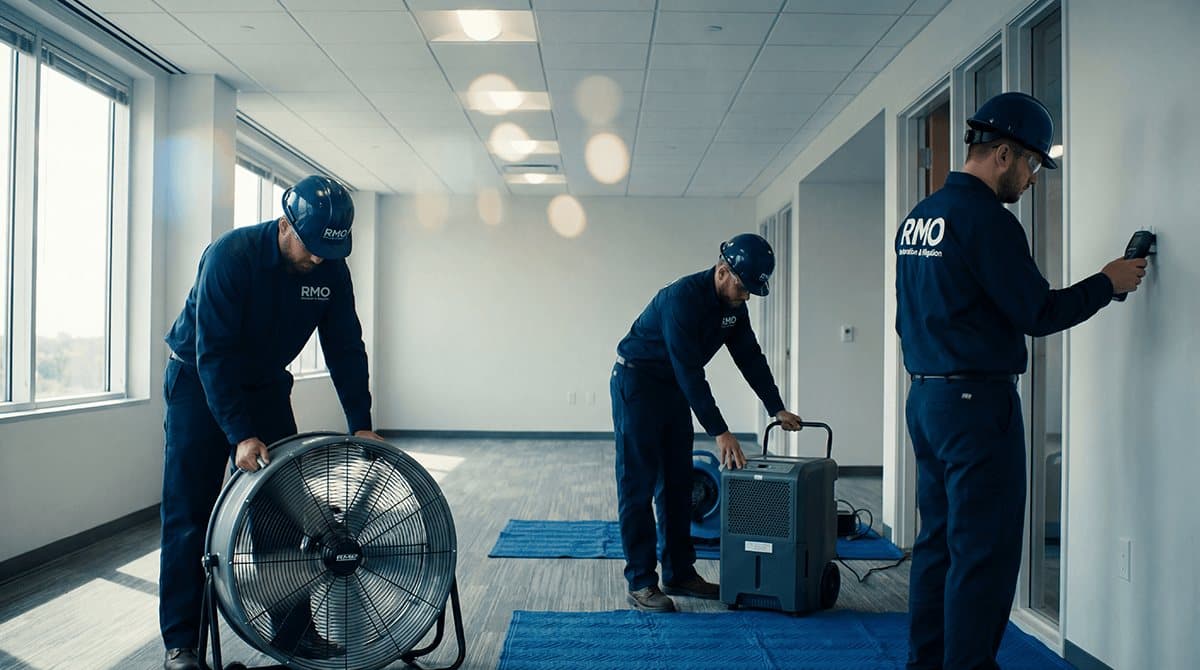

In short: In the first 24 hours after a commercial water loss, work in this order: protect people, stop the water, protect equipment and records, tell occupants what's happening, document everything, and get your restoration contractor and insurer moving. EPA's guidelines for commercial buildings call for responding to water damage within 24 to 48 hours to prevent mold growth, so drying should be underway before the first day ends.
Metro Detroit facilities have seen it at scale. On August 11, 2014, torrential rain inundated homes, businesses and infrastructure across the area, and the National Weather Service counted $1.8 billion in direct flood damage. Ready.gov's business guidance explains why the first minutes matter: prompt action can save lives and limit damage to the building.
Hour 0 to 1: people first, then shutoffs
- Clear people from wet areas, especially where water reaches outlets, floor boxes, electrical rooms or equipment. Ready.gov warns against touching electrical equipment that is wet or while standing in water.
- Have a qualified electrician de-energize affected circuits. Don't restart wet equipment to see if it works; the City of Detroit's flood guidance warns that wet appliances can shock, overheat or start a fire.
- Stop the source by closing the zone valve or the building main, or call the engineer or plumber who can.
- Rope off wet floors and stairs.
- If the water came from a drain line or smells of sewage, treat it as contaminated. EPA's commercial guidance says OSHA requires personal protective equipment and containment for water contaminated with sewage or chemical or biological pollutants, and that fans shouldn't run until the water is known to be clean.
If the water came from a fire sprinkler line
Closing a sprinkler valve stops the water and leaves part of the building without fire protection. NFPA 25 calls that an impairment, and frozen or ruptured piping is one of the emergency impairments it names. NFPA's guidance includes notifying the fire department, the insurance carrier, the alarm company and the property owner, and tagging the impaired system. If protection will be out for more than 10 hours in a 24-hour period, it calls for measures such as a fire watch or evacuating the affected area. Follow your building's impairment procedure and your local fire marshal's requirements.

Hours 1 to 4: protect equipment and records
- Move or raise what you can: servers and network gear, files, inventory and tenant property. Cover what can't be moved with plastic sheeting.
- Don't power up wet electronics to test them. Leave that until they've been cleaned and inspected.
- For wet paper, EPA's water damage table gives three options: discard what isn't valuable, photocopy important items and discard the originals, or freeze or freeze-dry what must be saved.
- Open your IT disaster recovery plan. Ready.gov's guidance calls for backing up critical data and scanning vital paper records so they're backed up with everything else.
Also in hours 1 to 4: tell people what's happening
Ready.gov's crisis communications guidance lists the audiences to plan for: employees, customers, suppliers, management, and government officials and regulators. In a multi-tenant building, tenants belong at the top of that list. Name one spokesperson, keep messages consistent, and cover the basics:
- Which areas, entrances, elevators or restrooms are closed.
- Whether power, water, HVAC or network service is affected.
- Whether staff should come in, work elsewhere or stay home.
- Who to contact with questions, and when the next update will come.
Hours 4 to 12: document the loss
- Photograph and video every affected area before cleanup, including the source, water lines on walls and the serial plates on damaged equipment.
- Keep a written log of when the water was found, who shut off what, and who was called and when. DIFS publishes a claims tracking sheet built for this kind of record.
- Hold damaged materials and equipment for the adjuster unless they're a health hazard. Photograph anything removed for safety and keep a sample.
- Keep every receipt for emergency work, rentals and supplies.
Hours 4 to 24: bring in the contractor and the insurer
Report the loss to your carrier or broker the same day and ask what they need from you. Check your policy's conditions for its notice and mitigation requirements.
A restoration contractor's first visit should leave you with a written plan, not just equipment on the floor:
- The water category, based on the source. The ANSI/IICRC S500 standard separates clean water, water with significant contamination, and grossly contaminated water such as sewage.
- A moisture map of affected areas, made with moisture meters and thermal imaging.
- Extraction, then dehumidifiers and air movers sized for the space, with containment where needed so the rest of the building can stay open.
- Drying goals for each material and daily readings until they're met.
- A list of what will be dried in place and what will be removed. EPA's table, for example, says wet ceiling tiles and insulation should be discarded and replaced, while drywall may be dried in place if it isn't swollen and its seams are intact.
Ready.gov advises businesses to identify the outside resources they would call in an emergency, contractors included, and to document the information those resources would need. If your emergency plan doesn't name a restoration contractor yet, add one before the next loss.
Print this list, add your valve locations and phone numbers, and keep it where the night staff can find it.
Sources
- EPA: Mold remediation in schools and commercial buildings, Chapter 4
- EPA: Water damage cleanup and mold prevention, Table 1 (PDF)
- NFPA: NFPA 25 guidance on fire safety during sprinkler system restoration
- Ready.gov: Emergency response plan
- Ready.gov: Crisis communications plans
- Ready.gov: IT disaster recovery plan
- Ready.gov: Floods
- City of Detroit: How to clean a basement after a flood
- FEMA FloodSmart: NFIP claims checklist for policyholders
- Michigan DIFS: Insurance claims tracking sheet (PDF)
- National Weather Service: Water Year 2014 flood loss summary (PDF)